Pharmaceutical Industry Wastewater Treatment SystemsOn-Site Treatment of Pharmaceutical Wastewater
Tailored to high COD, active pharmaceutical ingredients, antibiotics and biocidal compounds: hybrid photocatalytic oxidation and turnkey wastewater treatment solutions.
* Savings are potential estimates dependent on wastewater volume, characteristics and current disposal unit costs. Actual figures are determined through project-specific testing and feasibility analysis.
We understand pharmaceutical wastewater at the point of generation.
Wastewater generated during pharmaceutical manufacturing may contain high COD, active pharmaceutical ingredient residues, alcohols, solvents, antibiotics, disinfectants and biocidal substances. Batch production can cause wastewater volumes, pH and organic loads to fluctuate throughout the day.
VERITAS ENVIRONMENT examines production formulations and cleaning stages together to develop tailored processes that achieve discharge or biological treatment acceptance requirements. On-site treatment of high-strength wastewater helps optimize disposal costs.
A specialized treatment approach for pharmaceutical manufacturing.
Different stages such as formulation, filling, tablet and capsule production, and CIP cleaning can generate wastewater streams with different characteristics within the same plant.
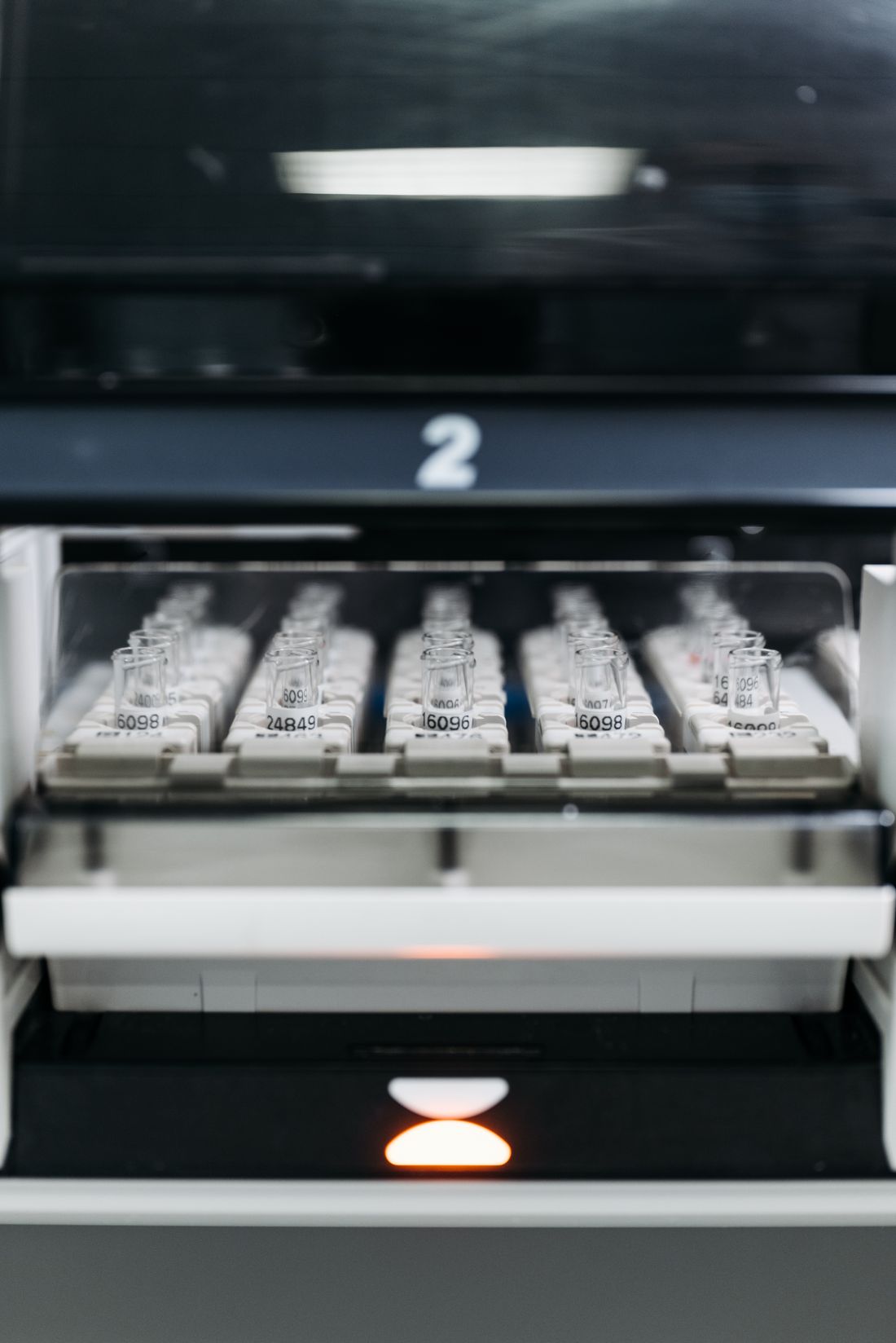
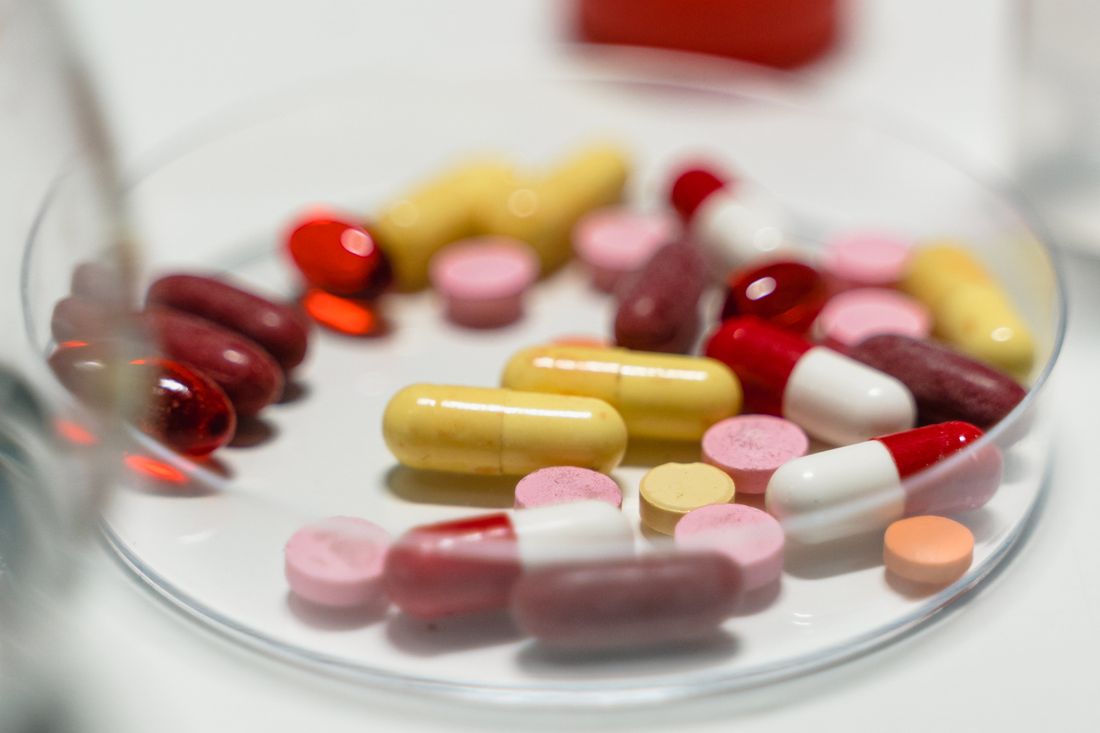
Identify the source, select the right treatment process.
Evaluating high-concentration first-rinse water separately from lower-strength rinse water offers major advantages in treatment capacity and operating economics.
Wash water from formulation tanks, reactors, tablet, capsule and syrup production, and packaging.
Rinsing during product changeovers; cleaning of lines involving disinfectants, alcohol and solvents.
Antibiotic and biocidal product residues, off-specification products and concentrated wastewater streams.
A technical approach tailored to each production formulation.
Changing pharmaceutical wastewater composition directly determines process selection and the control strategy.
High and Variable COD
Tank and filling-line cleaning can produce high organic loads within a short period. Equalization and controlled feeding support process stability.
Pharmaceutical Residues
Active ingredients, antibiotics and specific organic compounds are managed using advanced oxidation and polishing stages suited to wastewater characteristics.
Biocides and Disinfectants
These compounds may affect biological treatment activity. Appropriate pretreatment and oxidation help ensure controlled feed conditions.
Alcohol and Solvents
Concentrations, volumes and interactions with other substances are evaluated to develop a dedicated collection and treatment strategy.
Recalcitrant Organic Load
Hybrid photocatalytic oxidation aims to reduce organic load and improve biodegradability.
pH and Salinity
Automated measurement, equalization and suitable dosing help monitor process conditions across different formulations and cleaning operations.
A controlled treatment train for pharmaceutical wastewater.
Source management, physicochemical pretreatment, hybrid photocatalytic oxidation, biological treatment and final quality control are designed together based on product and active ingredient characteristics.
From the point of generation to target effluent quality.
Each stage is adapted to wastewater characteristics and the plant's existing infrastructure.
Wastewater Source Management and Pretreatment
Wash and cleaning waters from different pharmaceutical product groups vary in COD, pH, flow rate and toxicity. Each production stage is characterized to establish a source-specific collection and treatment plan.
Fluctuations in flow and pollutant loads are equalized. Physicochemical pretreatment removes oils, emulsions, suspended solids and colloidal components to prepare suitable feedwater for downstream treatment.
Request a Preliminary Technical Assessment
5 implementation steps
TREATMENT CONFIGURATION · 01/03Benefits of the technical approach
Plant assessment: production and washing schedule, daily flow rate, analytical results and target effluent quality.
Hybrid Photocatalytic Oxidation
The hybrid photocatalytic oxidation technology developed by VERITAS ENVIRONMENT through TÜBİTAK-supported R&D targets removal of high COD and recalcitrant organic compounds.
A project-specific advanced oxidation stage for active pharmaceutical ingredients, antibiotics, biocidal residues and substances that can inhibit biological treatment may be installed as a standalone unit or integrated into an existing system.
Explore Advanced Oxidation Technology
5 technical implementation objectives
TREATMENT CONFIGURATION · 02/03Benefits of the technical approach
Biological Treatment and Final Effluent Quality
Organic loads in water with improved biodegradability following pretreatment and advanced oxidation are reduced in an existing or newly installed biological treatment system.
Effluent is assessed against direct discharge requirements, biological treatment acceptance criteria or, where applicable, reuse quality targets, with filtration and additional advanced treatment as necessary.
Request a Preliminary Technical Assessment
5 quality and integration steps
TREATMENT CONFIGURATION · 03/03Benefits of the technical approach
Wastewater characteristics determine the treatment route.
Flow rate, COD, pH, active ingredients and target effluent quality are evaluated together.
An on-site solution for wastewater with high disposal costs.
Appropriate on-site treatment of wastewater containing high COD, active pharmaceutical ingredients and biocidal substances helps optimize off-site transportation, temporary storage and disposal costs.
Process engineering tailored to your pharmaceutical plant.
Wastewater volume, production schedule, active ingredients, cleaning procedures and existing disposal costs are assessed together. Process and capacity are selected to meet target water quality requirements.
Request a Plant Assessment ↗Process selection, capacity calculations, wastewater characterization, techno-economic feasibility and target effluent quality are evaluated within one engineering model.
A unified engineering approach at every treatment stage.
VERITAS ENVIRONMENT designs, manufactures, installs and commissions projects ranging from modular systems integrated with existing treatment plants to new turnkey facilities.
Analysis and characterization
Product groups, cleaning water, flow and COD-toxicity characteristics.
Process design and feasibility
PFD, P&ID, capacity calculations, technical and economic evaluation.
Manufacturing and integration
Packaged units, equipment manufacturing, electrical systems and automation.
Commissioning and follow-up
On-site installation, operator training, Cloud SCADA and performance reporting.
Measure and monitor treatment performance.
Flow rate, pH, temperature, conductivity, COD, chemical consumption, energy use and treatment performance can be monitored through Cloud SCADA. Operational data provide a technical basis for savings, environmental performance and sustainability initiatives.
ILLUSTRATIVE DISPLAY · LIVE DATA CONFIGURED FOR EACH PLANT
Measurable benefits through proper wastewater management.
On-site treatment supports biological treatment stability, wastewater management, disposal cost efficiency and traceable operating performance.
Treating high-strength wastewater on site
Tailored treatment for wastewater with high COD and toxicity.
Reducing pharmaceutical contaminants
Management of active ingredients, antibiotics and recalcitrant organics.
Suitability for biological treatment
Controlled feeding and gradual reduction of organic loads.
Disposal cost savings potential
Targeting approximately 80–90% cost savings under suitable conditions.
Modular and turnkey systems
Advanced treatment solutions integrated with existing plants.
Monitoring with Cloud SCADA
Water quality, operating performance and savings reporting.
Pharmaceutical wastewater treatment solutions.
Key information about high COD, advanced oxidation, on-site treatment and cost savings.
How does VERITAS ENVIRONMENT treat pharmaceutical wastewater?
Wastewater is classified by product group, organic load, toxicity and pharmaceutical constituents. Physicochemical treatment, hybrid photocatalytic oxidation, biological treatment and final polishing are combined to meet target effluent quality.
Can wastewater with high COD be treated on site?
High-COD wastewater may be treated on site through separate source management, equalization, physicochemical treatment and advanced oxidation. The process is designed for the intended discharge or biological treatment acceptance requirements.
How are antibiotic- and biocide-containing streams managed?
Appropriate pretreatment and advanced oxidation reduce these loads, helping control inhibitory effects on biological treatment and enabling controlled feeding.
What potential savings are available on disposal costs?
Depending on wastewater volume and characteristics, transport costs and prevailing disposal unit rates, suitable projects may achieve approximately 80–90% potential savings.
Can the solution be integrated with an existing treatment plant?
Following a review of existing physicochemical and biological infrastructure, advanced oxidation, pretreatment or polishing units can be integrated on a modular basis.
How is a process selected for a pharmaceutical plant?
Product groups, active and auxiliary ingredients, production schedules, CIP and other cleaning procedures, daily wastewater volumes, COD, pH, toxicity, alcohol, solvents and biocidal substances are assessed together.
What information is needed for project design?
Wastewater volumes, production schedules, product types, cleaning procedures, laboratory results, quantities sent off site, disposal costs, existing treatment equipment and target discharge criteria are reviewed.
Treat high-disposal-cost pharmaceutical wastewater at your own facility.
A preliminary technical and economic study can be prepared for your pharmaceutical manufacturing facility based on wastewater volumes, COD and toxicity characteristics, existing disposal costs and target effluent quality.
