Aluminum Aerosol Can Manufacturing Wastewater TreatmentCaustic, Process Water and Heat Recovery
By managing washing and rinsing water separately at the source, we recover caustic solution, process water and thermal energy through patented, plant-specific engineering systems that return valuable resources to production.
* Recovery figures are potential targets under the suitable production and operating conditions specified in the technical information supplied. Actual results depend on plant data and wastewater characterization.
We return the value in wash water back into production through integrated recovery.
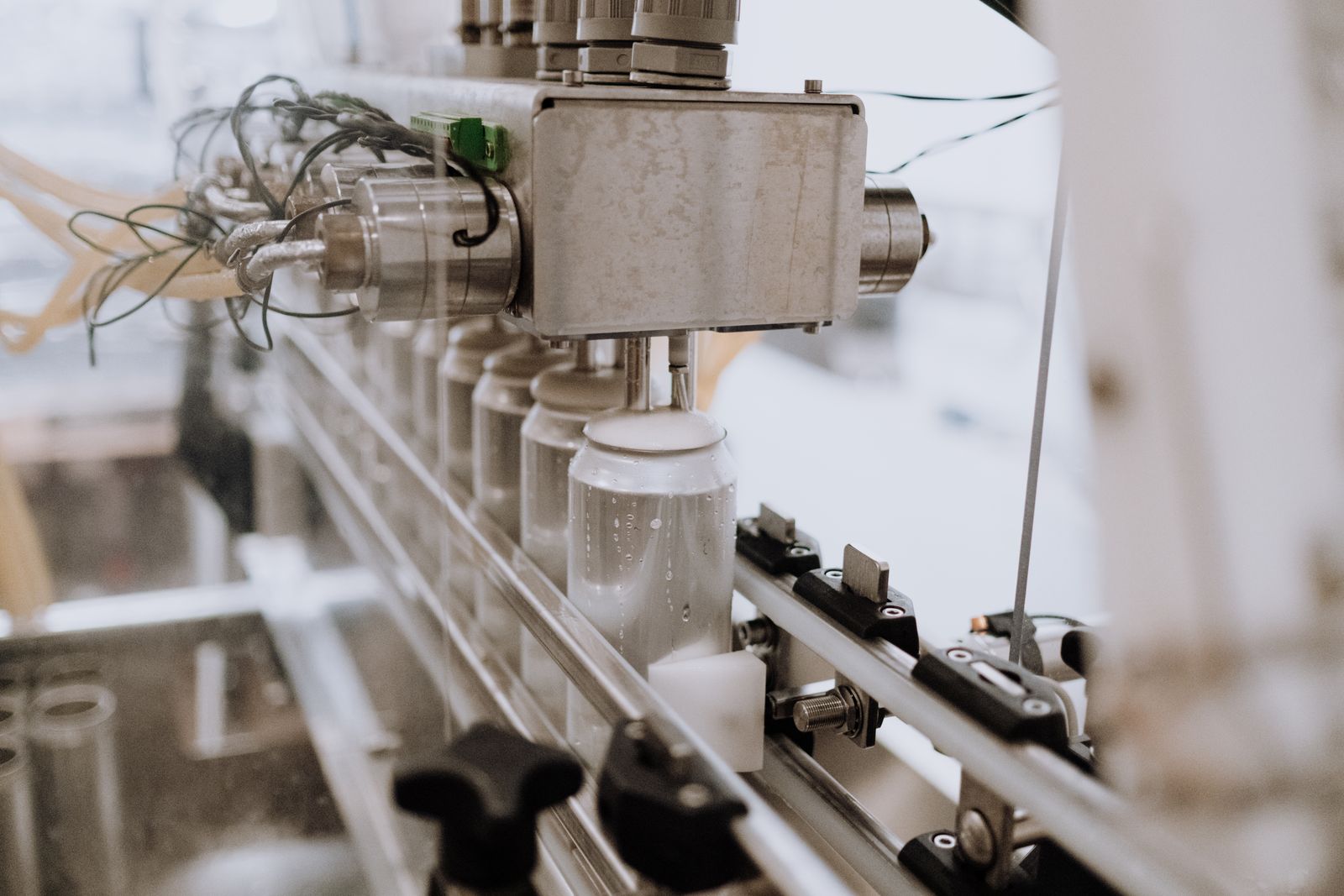
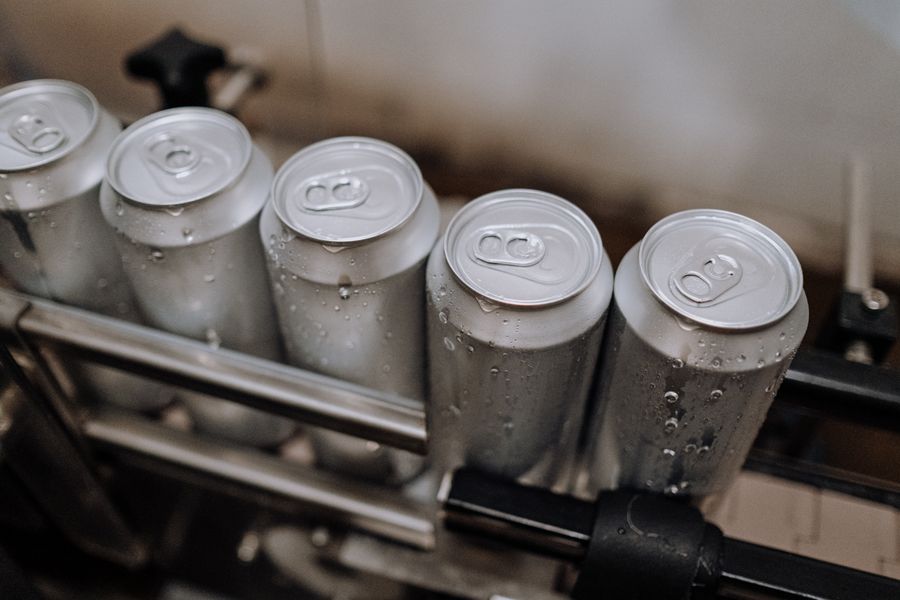
Hot caustic washing solutions remove oils, metal residues and process contaminants from aluminum aerosol cans. Subsequent rinsing stages generate water streams with different characteristics.
VERITAS ENVIRONMENT manages these streams separately at source and designs appropriate recovery routes for caustic, process water and thermal energy. Systems developed through patented process technologies and TÜBİTAK-supported R&D are integrated into production lines.
Integrated recovery tailored to your production line.
Caustic washing, rinsing and hot process streams are assessed separately based on pH, metal content, conductivity, temperature and reuse targets.
The right solution for every water stream.
Treating washing and rinsing streams according to their distinct characteristics combines caustic, water and heat recovery in one facility.
High pH, free caustic, dissolved aluminum, oil and heat.
Lower caustic and metal loads, with potential for reuse as process water.
Thermal energy that can be retained during production, with controlled recirculation.
Triple recovery of caustic, process water and heat.
Our engineering approach separates washing and rinsing streams and provides modular solutions that can be implemented individually or together to suit plant operating conditions.
Caustic Recovery System
Caustic wash water accumulates dissolved aluminum, oils and other process constituents. With appropriate treatment, free caustic in the solution can be reused in production.
VERITAS ENVIRONMENT's patented process removes contaminants in a controlled manner to achieve a quality suitable for returning caustic solution to the production line.
Technical Assessment for Your Project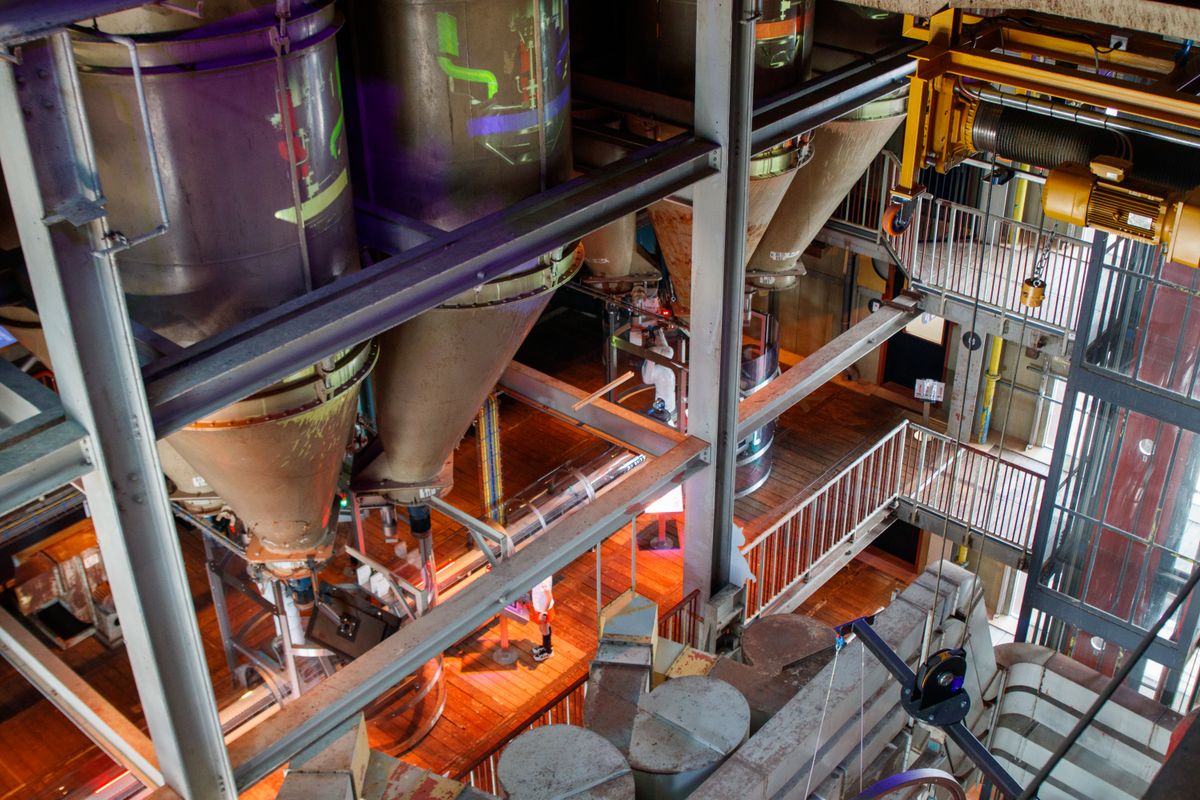
7-stage process approach
FROM SOURCE TO RECOVERY · 01/03Operational benefits
Technical approach: free caustic, dissolved aluminum, suspended solids, conductivity and temperature are monitored together.
Rinse Water Recovery
Rinsing streams after caustic washing generally have lower pollutant loads than washing baths. Separately collected water is analyzed to plan reuse at appropriate stages.
Metals, suspended solids and other process contaminants are removed in a controlled manner. Conductivity, pH and temperature are verified before water is returned to its designated rinsing stage.
Technical Assessment for Your Project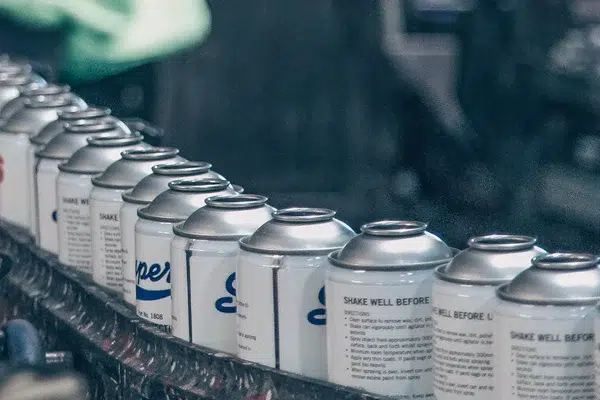
6-stage process approach
FROM SOURCE TO RECOVERY · 02/03Operational benefits
Preserving Thermal Energy in Production
Caustic washing and rinsing generate hot process streams. Reusing these waters within the production cycle allows their thermal energy to be retained.
When recovered caustic solution and process water are returned to production while still hot, the energy required for reheating is reduced. Water, caustic and heat are thus recovered within a single operating model.
Technical Assessment for Your Project
4-stage process approach
FROM SOURCE TO RECOVERY · 03/03Operational benefits
Resource-preserving design improves cost efficiency.
Managing washing and rinsing water separately at source makes it possible to apply the right process to each stream, retain caustic and water value, and optimize neutralization and sludge disposal costs.
A measurable savings plan tailored to your facility.
Project design is based on actual data from your existing washing and rinsing lines. Annual recovery of caustic, process water and energy is evaluated together with operating and capital costs.
Request a Plant Assessment ↗Annual resource benefits, disposal costs, investment size and payback assessment are calculated together based on caustic, water, temperature and wastewater balances.
We combine design and installation in a unified engineering process.
Packaged or skid-mounted units can be designed ready for integration, including equipment, piping, instrumentation, electrical panels and automation components.
Site survey and analysis
Washing/rinsing line data, sample analysis, water-caustic-energy balance.
Engineering
Process selection, capacity and feasibility; PFD, P&ID and 3D design.
Packaged system manufacturing
Skid-mounted/package equipment manufacturing, automation, controlled testing and shipping.
Commissioning
On-site integration, operator training, Cloud SCADA and performance reporting.
Monitor caustic, water and heat recovery in real time.
Flow rate, temperature, conductivity, caustic concentration, water quality and recovery rates can be monitored through Cloud SCADA. Recorded data support operating performance, resource efficiency, sustainability and carbon footprint initiatives.
ILLUSTRATIVE DISPLAY · LIVE DATA CONFIGURED FOR EACH FACILITY
Sustained efficiency gains across multiple operating areas.
Source-level recovery creates a measurable operating model that evaluates chemical, water and energy consumption together.
Reuse of caustic solution
Recovering caustic in washing processes and reducing fresh chemical requirements.
Recovery from rinse water
Returning water to rinsing and suitable production points at the specified quality.
Preservation of thermal energy
Reusing energy carried by hot process water during production.
Reducing sludge and discharge loads
Optimizing neutralization and disposal loads through separate treatment at source.
Modular systems and rapid installation
Integration of skid-mounted and packaged equipment into production lines.
Transparent management with Cloud SCADA
Tracking caustic, water and heat recovery through performance and savings reports.
Aerosol manufacturing recovery systems.
Common questions about caustic washing, process water recovery, thermal energy and integration into existing lines.
Can caustic be recovered in aluminum aerosol can manufacturing?
VERITAS ENVIRONMENT's patented process aims to remove aluminum, oils and other contaminants from caustic wash water in a controlled manner so the caustic solution can be reused in production. Recovery of more than 80% may be targeted under suitable conditions.
Can rinse water be reused in production?
Rinse water is assessed for pH, conductivity, metals, oils and suspended solids. After appropriate treatment and filtration, the water may be returned to its designated rinsing stage or another suitable production point.
What are the process water and heat recovery rates?
Under suitable conditions, recovery of more than 90% of process water and more than 80% of thermal energy may be targeted. Actual performance depends on production capacity, wastewater characteristics and washing arrangements.
What are the benefits of separate recovery at source?
Evaluating caustic wash water and rinse water separately makes it possible to apply the right process to each stream. This preserves caustic, water and heat while optimizing neutralization, treatment sludge and disposal costs.
Can the system be integrated into an existing washing line?
VERITAS ENVIRONMENT examines existing washing and rinsing configurations and designs modular or integrated systems to fit the site infrastructure. Skid-mounted and packaged options can be adapted to the production line.
What information is required for project design?
Production capacity, number of lines, washing and rinsing configuration, daily water and caustic consumption, temperature, wastewater analyses, sludge and disposal costs, and target recovery rates are evaluated.
Return caustic, process water and heat to production.
A project-specific preliminary technical and economic assessment can be prepared based on the washing lines, caustic consumption, process water, thermal energy and operating costs of your aluminum aerosol can manufacturing facility.
