Chemical and Process Industry Wastewater Treatment and Recovery Systems
On-Site Treatment of Process Wastewater with High Disposal Costs
Wastewater generated in chemical and process industries may contain high COD, solvents, alcohols, surfactants, oils, emulsions, color, salts, metals and substances that inhibit biological treatment, depending on the products, raw materials, production formulations and cleaning procedures used.
High-strength wastewater that does not meet discharge criteria or biological treatment acceptance requirements is often transported off site at substantial transportation and disposal costs.
VERITAS ENVIRONMENT develops tailored process systems for on-site treatment by evaluating wastewater streams separately according to their source and composition. The treated water is brought into compliance with direct discharge criteria, biological treatment acceptance requirements or, where suitable, reuse quality targets.
Hybrid photocatalytic oxidation technology developed through TÜBİTAK-supported R&D aims to reduce high organic loads and recalcitrant constituents, lower the amount of wastewater transported off site and strengthen existing treatment infrastructure.

How Is Chemical Industry Wastewater Treated?
The treatment process for chemical wastewater is determined by its source, constituent substances, pollutant load, biodegradability and target effluent quality.
The general process approach consists of the following stages:
High- and low-strength process wastewater streams are identified and directed to appropriate collection and treatment lines.
Variations in flow rate, pH, temperature, conductivity and organic load are equalized.
Oils, emulsions, suspended solids, colloidal constituents and, when necessary, metal loads are reduced.
High COD, toxicity and recalcitrant organic compounds are controlled.
Organic loads in wastewater with improved biodegradability are reduced using existing or newly installed biological treatment systems.
Effluent undergoes filtration and any required advanced treatment to meet discharge, biological treatment or reuse targets.
The treatment stages required for each project are configured to achieve target water quality with optimal capital and operating costs.
Wastewater Sources in the Chemical and Process Industry
Wastewater in chemical manufacturing plants may originate mainly from the following operations:
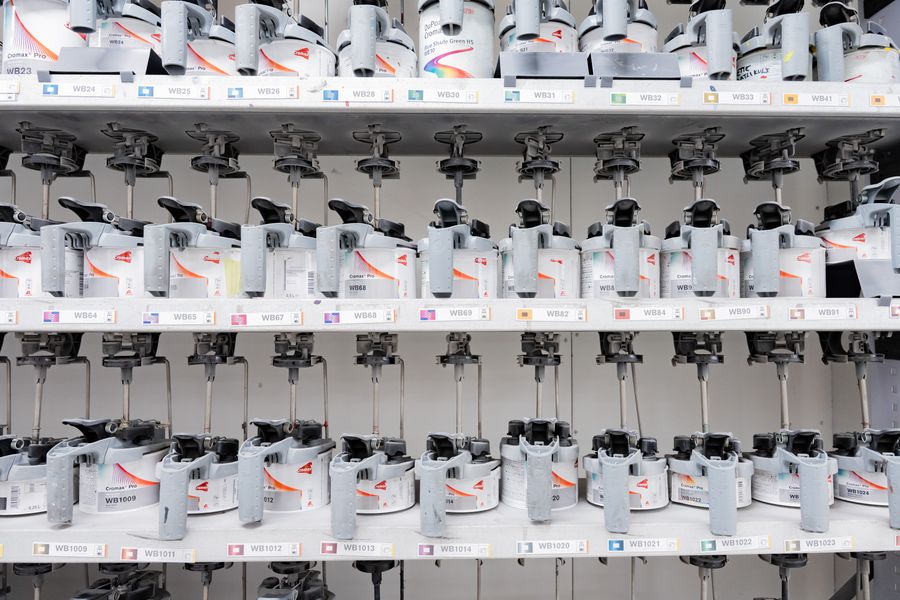
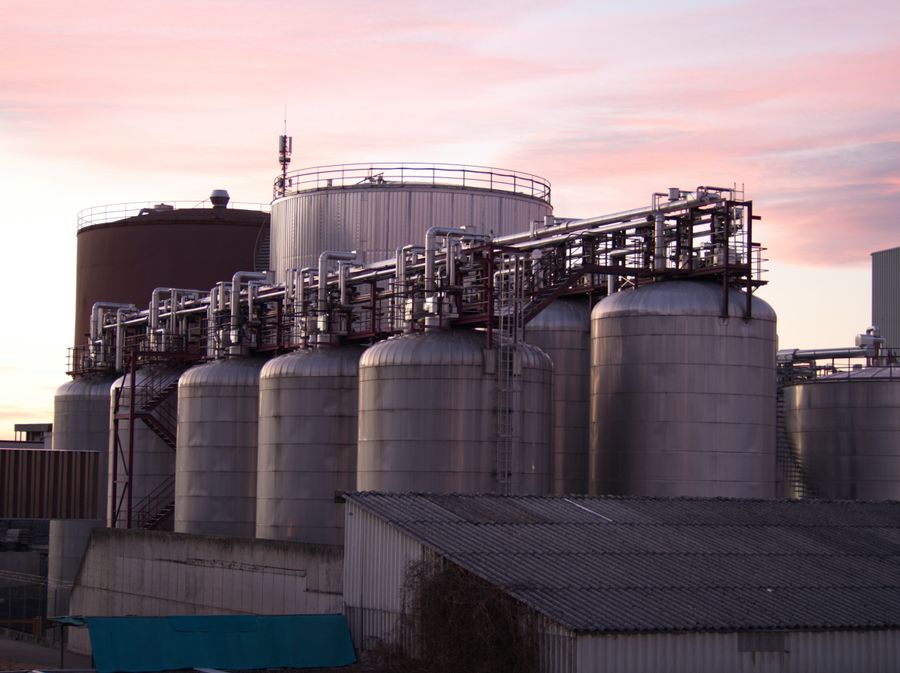
Managing high-concentration first-wash water separately from lower-strength rinse water directly improves treatment capacity and operating economics.
Main Treatment Challenges in Chemical Wastewater
High and Variable COD
Product residues released during reactor, tank and filling-line cleaning can generate high organic loads within a short period. COD can fluctuate considerably during the day because of differences between production formulations.
Equalization, controlled feeding and staged treatment help keep the system stable during sudden load changes.
Substances That Inhibit Biological Treatment
Biocidal agents, specialty additives, reaction by-products and certain chemicals may interfere with microbial activity during biological treatment.
Separately managing such water and applying suitable advanced oxidation before biological treatment reduces toxic and inhibitory effects.
Alcohol and Solvent Content
Water containing alcohols and solvents may have high COD and require special process safety precautions. Its volume, concentration, recovery potential and compatibility with other wastewater streams are assessed together.
Highly concentrated solvent-containing streams are managed separately at source, while an appropriate treatment process is designed for the remaining dissolved organic load.
Oils, Emulsions and Surfactants
Oils, resins, polymers and surfactants used in manufacturing can create stable emulsions and heavy foaming. These components are controlled through suitable physicochemical separation and filtration processes.
Color and Recalcitrant Organic Compounds
Colored and persistent organic compounds from paint, pigment, additive and specialty chemical manufacturing may not be adequately removed through conventional treatment processes.
Hybrid photocatalytic oxidation and project-specific polishing stages reduce color, COD and recalcitrant organic loads.
High Salinity and Conductivity
Chemical reactions, neutralization and process chemicals may increase wastewater salinity and conductivity. Managing saline water separately from other streams protects treatment systems and enables assessment of suitable recovery options.
Variable pH and Temperature
Acidic and alkaline production streams can cause sudden changes in wastewater pH. Automatic monitoring, controlled equalization and dosing help stabilize treatment conditions.
Process Selection Based on Wastewater Characteristics
Hybrid Photocatalytic Oxidation for High COD and Toxicity

The hybrid photocatalytic oxidation technology developed by VERITAS ENVIRONMENT through TÜBİTAK-supported R&D is designed for on-site treatment of process wastewater with high disposal costs that is difficult to treat using conventional methods.
The system can be applied to achieve the following objectives:
Explore Hybrid Oxidation Technology ↗The hybrid photocatalytic oxidation system can operate as a standalone treatment unit for high-strength wastewater or as an advanced treatment stage complementing existing physicochemical and biological treatment plants.
On-Site Treatment of Wastewater Previously Sent Off Site
Sending water containing high COD, toxicity, solvents, biocidal agents or recalcitrant organic compounds off site incurs transportation, storage and disposal costs.
Through VERITAS ENVIRONMENT's on-site treatment approach, these streams can be treated in a controlled manner to achieve:
Depending on wastewater volume and pollution characteristics, existing transportation charges and disposal unit rates, suitable projects may achieve savings of approximately 80–90% on combined transportation and disposal costs.
Project-specific savings are calculated by evaluating annual wastewater volumes, current disposal invoices, system operating costs and target treatment performance together.
Integration into Existing Treatment Plants
VERITAS ENVIRONMENT evaluates existing physicochemical and biological treatment infrastructure, equipment capacities and actual operating data together.
The new process system can be integrated into an existing plant:
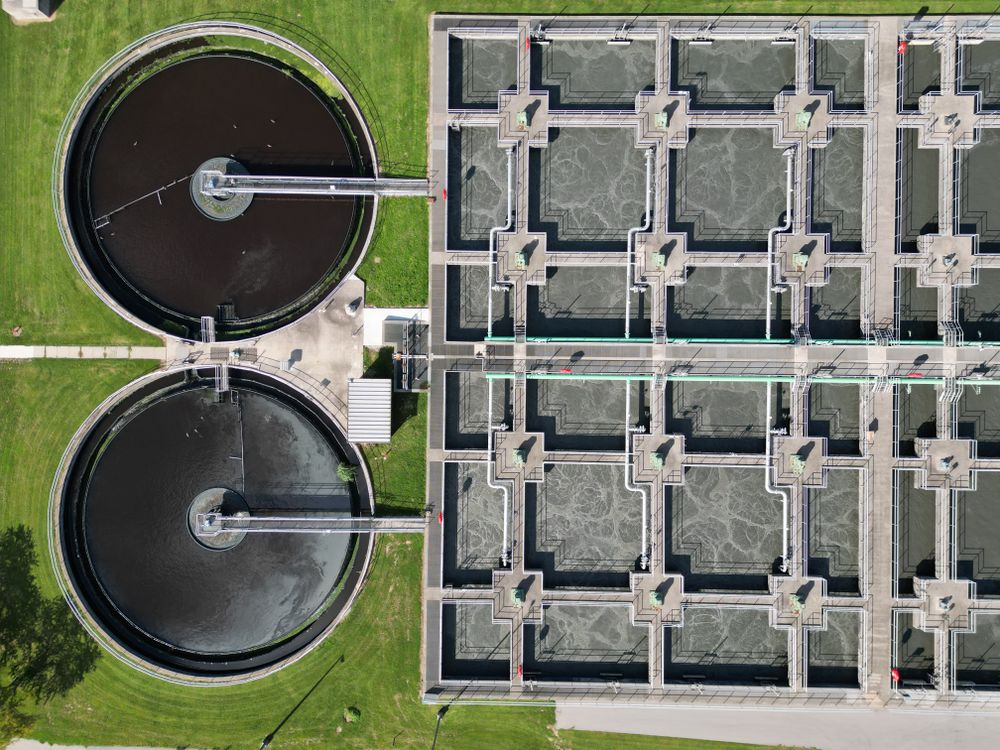
This preserves usable infrastructure while strengthening the required treatment capacity, process safety and effluent performance.
Plant-Specific Treatability and Process Design
Even plants in the same chemical or process industry can produce wastewater with very different characteristics. System design is therefore based on actual production and wastewater data rather than generic assumptions.
The following information is reviewed during the assessment:
These data are used to prepare water and pollutant load balances and determine treatment stages, equipment capacities, automation scenarios and operating costs.
Modular and Turnkey Chemical Wastewater Treatment Systems
VERITAS ENVIRONMENT delivers wastewater treatment and recovery projects for chemical and process industries with the following scope:
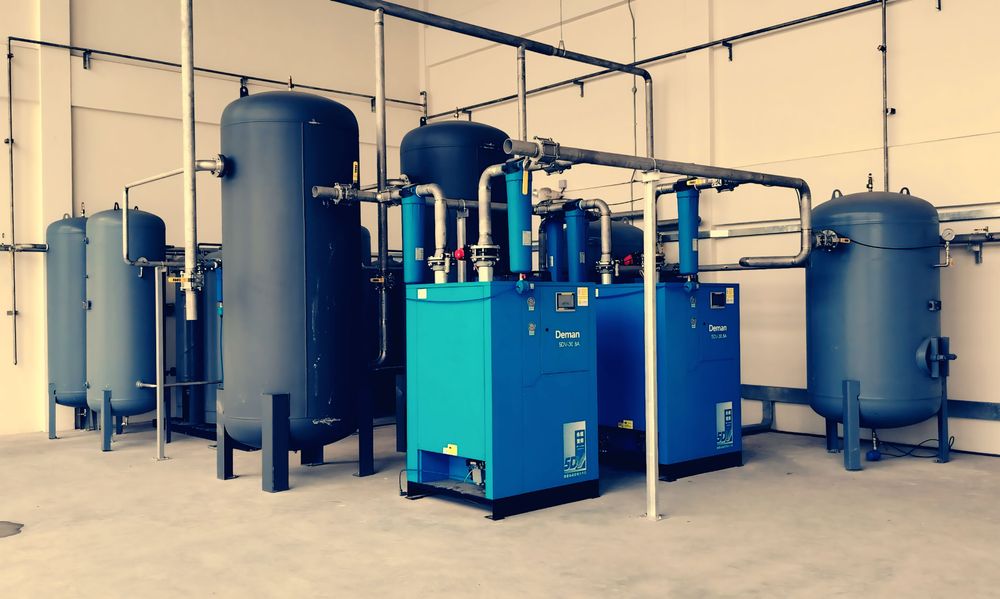
Systems can be designed as centralized or modular packaged solutions to suit production schedules and site conditions. Packaged units combine equipment, piping, instrumentation, electrical panels and automation components to shorten on-site installation times.
Cloud SCADA for Process and Performance Monitoring
Flow rate, pH, temperature, conductivity, chemical consumption, energy use and treatment performance can be monitored through Cloud SCADA.
Depending on the measurement and analysis infrastructure, the recorded operating data enable measurement and reporting of:
These data provide verifiable technical evidence for industrial green transformation, environmental performance and sustainability reports, water and carbon footprint calculations, incentive applications and green financing initiatives.
Key Benefits for Your Facility
Frequently Asked Questions About Chemical Industry Wastewater Treatment
How does VERITAS ENVIRONMENT treat chemical industry wastewater?
VERITAS ENVIRONMENT classifies wastewater by production source, organic load, toxicity and chemical constituents. Physicochemical treatment, hybrid photocatalytic oxidation, biological treatment and final polishing are combined to meet target effluent quality according to plant needs.
Can high-COD chemical wastewater be treated on site?
High-COD process wastewater can be treated on site through separate source management, equalization, physicochemical pretreatment and hybrid photocatalytic oxidation. The process is configured for direct discharge, biological treatment or reuse targets.
Can wastewater from different production processes be treated together?
Streams are first assessed for composition, concentration and mutual compatibility. Compatible waters are fed in a controlled manner to a common treatment line, while high-strength or specialty streams are managed separately. This optimizes treatment capacity and operating costs.
How is process water containing alcohols and solvents managed?
Water containing alcohols and solvents is collected separately at source. Concentrations, safety requirements and recovery potential are assessed before selecting an appropriate separation or treatment process. Remaining dissolved organic loads are reduced through project-specific advanced treatment stages.
Can chemical wastewater previously transported off site be treated at the plant?
On-site treatment can be designed based on wastewater characteristics and target effluent requirements. In suitable projects, wastewater can be treated to meet direct discharge or existing biological treatment acceptance criteria, significantly reducing off-site transport and disposal needs.
Can the system be integrated into an existing treatment plant?
VERITAS ENVIRONMENT evaluates existing physicochemical and biological treatment infrastructure and integrates the required advanced oxidation, filtration and recovery stages. Modular design allows system capacity and configuration to be adapted to site conditions.
What information is required for project design?
Preliminary assessment considers production capacity, product groups, chemicals used, cleaning procedures, daily wastewater volumes, analytical results, existing treatment facilities, off-site waste quantities, disposal costs and target effluent quality.
Treat High-Cost Process Wastewater at Your Own Facility
A project-specific preliminary technical and economic study can be prepared by evaluating your chemical plant's production processes, wastewater sources, pollution characteristics, existing treatment infrastructure and disposal costs together.
