Textile Wastewater Treatment and Color RemovalWater, Heat and Salt Recovery
Plant-specific turnkey engineering solutions for recovering process water, thermal energy and regeneration salt used in textile dyehouses and returning these valuable resources to production.
* The figures and costs are potential values under suitable site and operating conditions stated in the source technical information. Project results depend on water characteristics and process design.
We return the value in wastewater back to production through integrated recovery.
Water, salts, chemicals and thermal energy account for a substantial share of textile dyehouse operating costs. Water characteristics vary across dyeing, washing and rinsing stages.
VERITAS ENVIRONMENT evaluates dyeing recipes, existing treatment infrastructure, water balances and target water quality together. Using patented process technologies, we design, manufacture and commission modular or integrated recovery systems.
A dedicated water balance for each production stage.
A suitable recovery line is designed for each water source based on dyeing recipes, pH, conductivity, color, COD, temperature and salinity.
Three complementary recovery systems.
Modules suitable for the production process can be designed individually or together within one water balance. Each process is configured to meet flow, quality and reuse targets.
Recovery of Hot and Colored Rinse Water
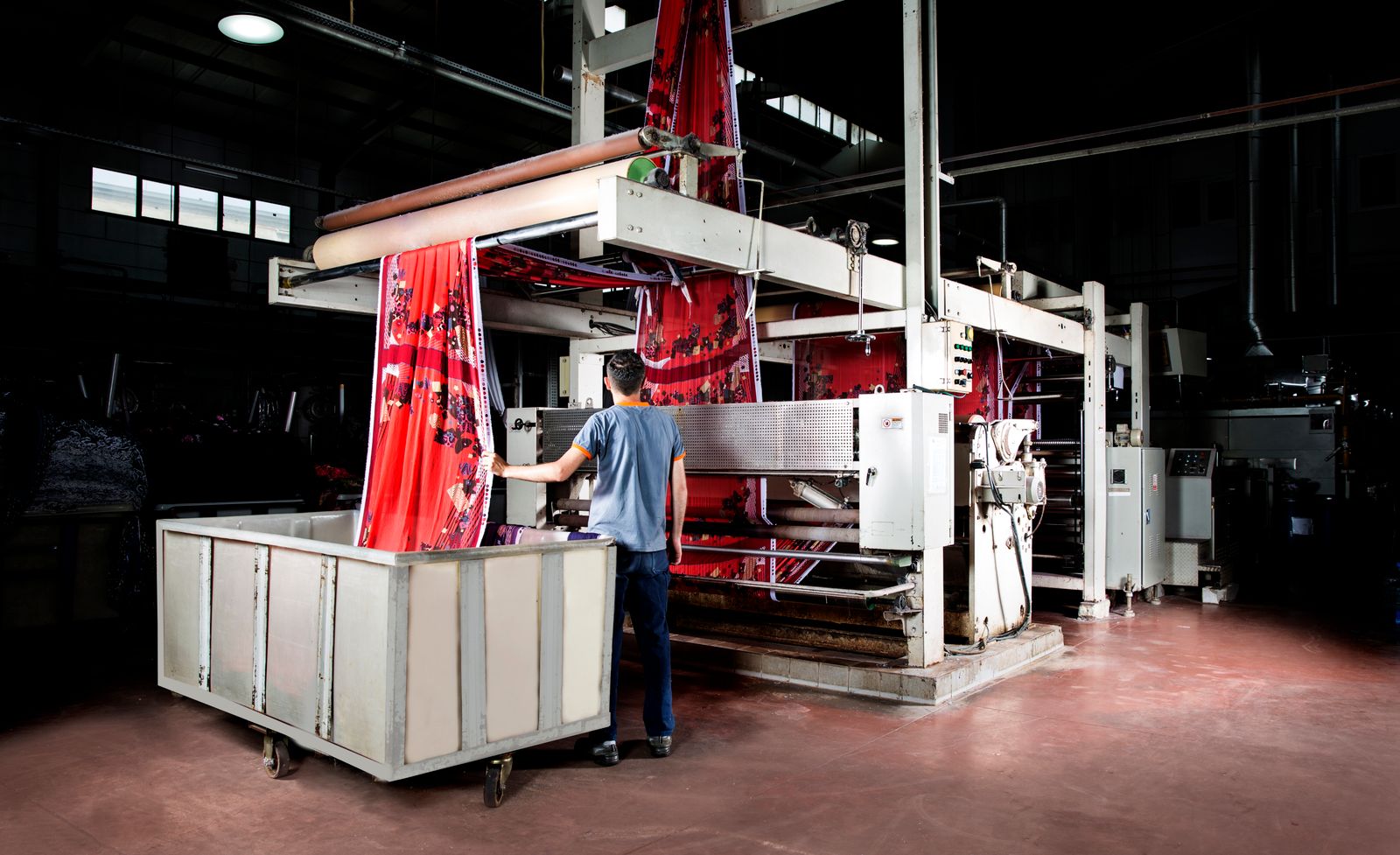
Hot rinse water from dyeing machines is collected separately at source. After reducing color and organic loads, the water is returned to production while retaining its thermal value.
VERITAS ENVIRONMENT's patented color removal process offers a membrane-free approach. A specialized technology is used instead of decolorizing chemicals, and the water is directed to suitable production stages after quality verification and final filtration.
Process Water Technology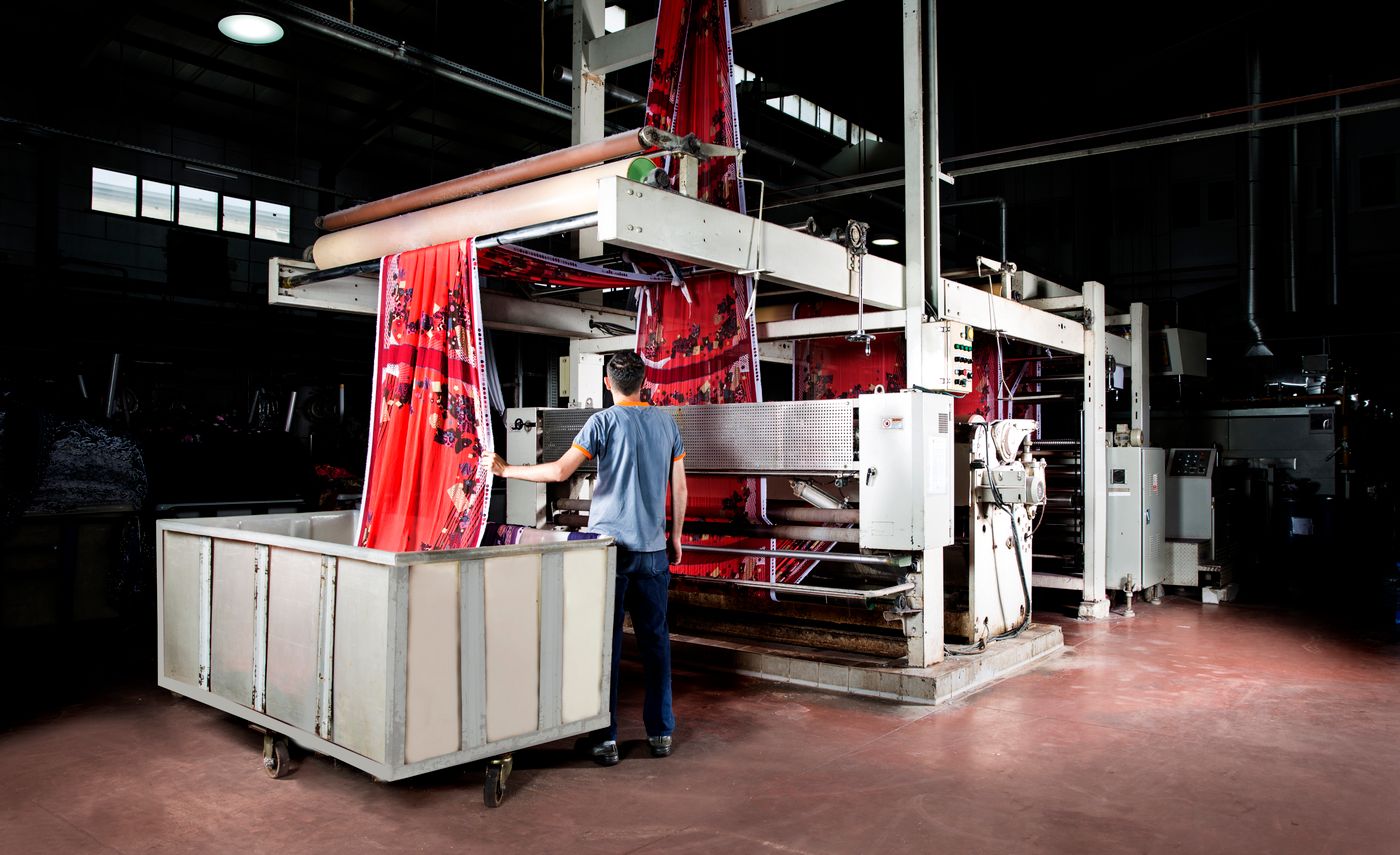
7-stage process flow
FROM PRODUCTION TO RECOVERY · 01/03Operational benefits
Field applications may achieve color removal operating costs of approximately €0.06–0.08/m³, with potential cost advantages of around 80% compared with decolorant-based processes.
Color Removal and UF–RO from Biological Treatment Effluent
Color, COD, colloidal matter and dissolved organic loads in biological treatment effluent are reduced under controlled conditions. Filtration and membrane stages aim to produce process water suitable for reuse.
Color removal is designed together with UF and RO to optimize the load reaching the membranes. Final settling–UF or MBR-based alternatives are considered depending on existing plant infrastructure.
Wastewater Recovery Technology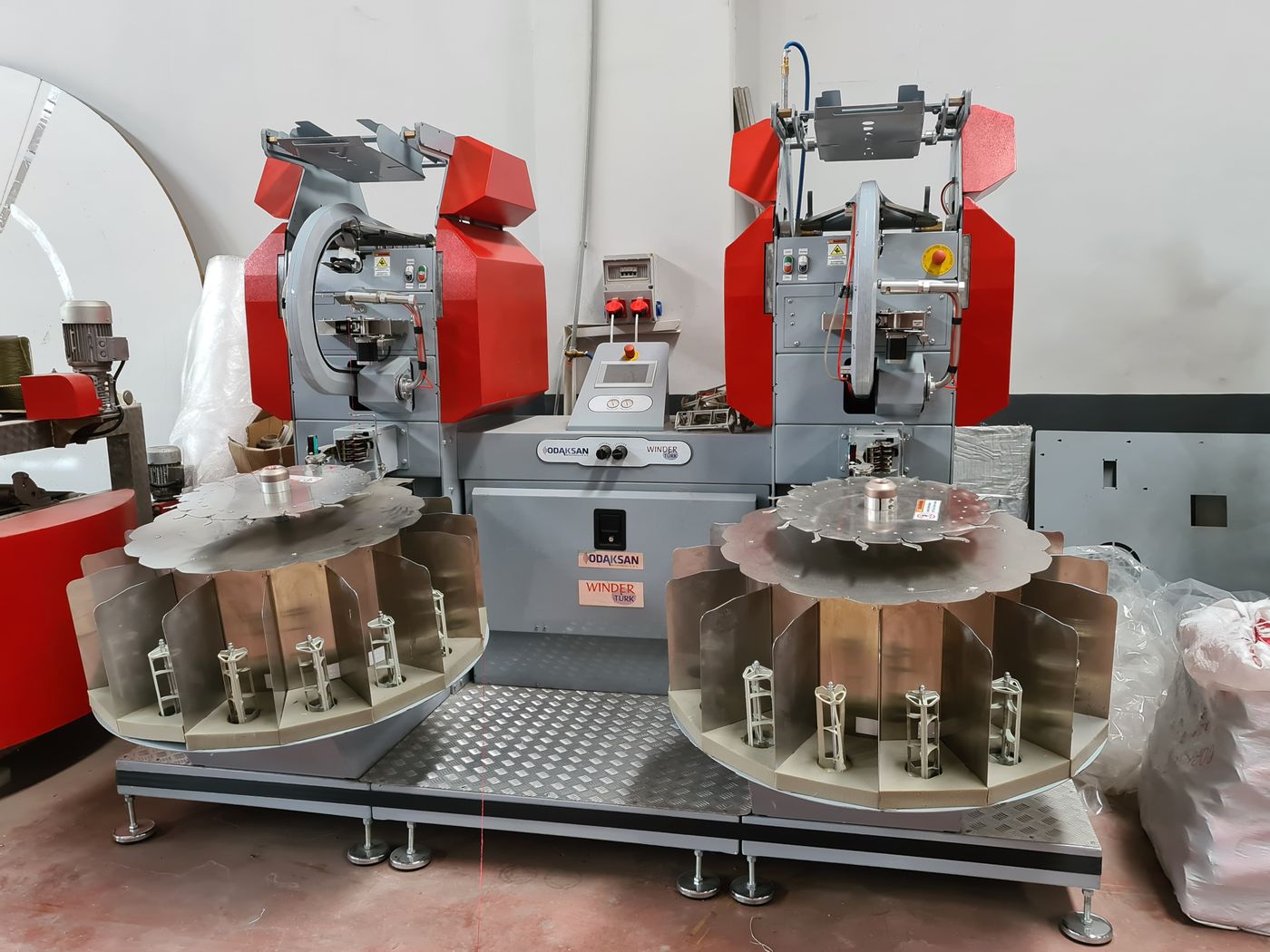
8-stage process flow
FROM PRODUCTION TO RECOVERY · 02/03Operational benefits
Regeneration Salt and Process Water Recovery
Saline water generated during softener regeneration is collected separately. Hardness-forming components such as calcium and magnesium are selectively removed so salt and water can be returned to the system.
The patented regeneration salt recovery approach is designed according to softener capacity and salt concentration. This optimizes water use and fresh salt demand in line with the plant's water balance.
Preliminary Technical Assessment
5-stage process flow
FROM PRODUCTION TO RECOVERY · 03/03Operational benefits
Measurable engineering tailored to every facility.
Every textile plant has different fabrics, dyeing recipes, machinery and water use. VERITAS ENVIRONMENT designs recovery systems based on actual production data.
Request a Plant Assessment ↗Daily water balances, hot rinse lines, biological treatment effluent and softener regeneration are assessed together to determine capacity, recovery potential and economic feasibility.
One engineering workflow from analysis to commissioning.
Design, manufacturing, automation and operation are planned together, from modular recovery units to fully integrated facilities.
Site survey and analysis
Production and water use points, pollutant load balances and process targets.
Engineering
Process selection, feasibility, capacity calculations and 3D system design.
Implementation
Equipment manufacturing, automation, on-site installation and system integration.
Continuity
Commissioning, operator training, Cloud SCADA and performance reporting.
Every stage of recovery can be measured.
Flow, water quality, temperature, energy recovery, chemical consumption and recovery rates can be monitored through Cloud SCADA. Recorded data support sustainability reporting, water and carbon footprint calculations, and green financing initiatives.
ILLUSTRATIVE DISPLAY · LIVE DATA CONFIGURED FOR EACH PLANT
Preserve the value of water at every stage of production.
Our efficiency approach covers water, salts, thermal energy, membrane performance and measurable operating management together.
Reuse of process water
Water quality suitable for production from dyehouse streams and biological treatment effluent.
Preservation of thermal energy
Recovery of energy carried by hot rinse water within the production cycle.
Regeneration salt recovery
Returning salt and water from softening systems to the process.
Color removal efficiency
Optimized operating costs through membrane-free color removal technology.
Improved UF–RO performance
More consistent water quality and sustainable membrane management.
Measurable resource management
Tracking water, energy and salt recovery through Cloud SCADA.
Textile wastewater treatment and recovery.
Key questions about color removal, process water and regeneration salt recovery in dyehouses.
Can dyehouse wastewater be recovered?
Wastewater from dyeing and rinsing stages is routed to suitable processes based on characterization. Hot rinse water can be recovered at source, while biological treatment effluent can be reused following color removal and advanced treatment.
Can hot and colored rinse water be reused?
Hot rinse water may be returned to production when color, COD, pH, conductivity and other parameters meet target values. Recovery at source also makes use of the thermal energy carried by the water.
How is color removed from biological treatment effluent?
The patented color removal process reduces persistent color and organic loads. Final filtration, UF and, where needed, RO stages are then used to achieve suitable process water quality.
Can color be removed without decolorant chemicals?
VERITAS ENVIRONMENT's membrane-free color removal technology provides an alternative to decolorant use. This approach offers potential reductions in chemical sludge and operating costs associated with color removal.
How does color removal affect UF and RO performance?
Reducing color and organic loads reaching membranes supports more stable performance, optimized chemical cleaning frequency and longer membrane service life.
Can regeneration salt be recovered in textile plants?
Hardness ions are selectively separated from saline streams generated by softening systems, allowing salt and water to be reused. More than 70% salt recovery may be targeted under suitable conditions.
Can a recovery system be added to an existing treatment plant?
Existing biological treatment, softening, UF and RO infrastructure is evaluated. Modular units can be integrated according to plant capacity and site conditions.
What information is required for project design?
Production capacity, water consumption, rinsing configuration, temperature, wastewater analyses, existing treatment effluent quality, salt consumption, regeneration data and target water quality are the main inputs for a preliminary technical assessment.
Recover water, heat and salt for reuse in your dyehouse.
A plant-specific preliminary technical and economic study can be prepared based on your production processes, water balance, biological treatment effluent quality and regeneration data.
