Automotive Industry Wastewater Treatment, Process Water and Caustic Recovery Systems
Degreasing, alkaline washing, surface preparation, phosphating, electrocoating and painting operations in the automotive supplier industry generate process wastewater with different characteristics. These streams may contain caustic soda, oil, emulsions, surfactants, metals, phosphates, paint, resins, suspended solids and organic pollutants.
VERITAS ENVIRONMENT divides automotive process wastewater into two principal groups: recoverable caustic washing streams and other process wastewater requiring integrated treatment.
Caustic soda, process water and, where conditions allow, thermal energy are recovered for production. Other wastewater streams are treated through controlled processes and membrane systems to meet discharge or reuse requirements.
How Is Automotive Industry Wastewater Treated?
Production lines, process chemicals, pollutant loads and target reuse quality are assessed together.
The appropriate treatment process depends on the production lines, chemicals used, wastewater volume, pollutant load and required reuse quality. Our general process approach is organized into two main lines:
Recovery of caustic washing water
Process streams from degreasing and alkaline surface cleaning that retain free caustic are collected separately from other wastewater. Oil, metals, suspended solids and process contaminants are removed so that the caustic solution can be reused in production.
Explore caustic recovery ↗Treatment and recovery of other process wastewater
Wastewater from surface treatment, phosphating, electrocoating, painting, rinsing and metal-containing processes is collected in an equalization system. Following physicochemical and, where necessary, advanced treatment, filtration and membrane systems bring the water to the required reuse quality.
Explore integrated treatment ↗This approach recovers the caustic solution separately at source while treating the facility's remaining wastewater through a common, controlled engineering process.
Wastewater Sources in Automotive Manufacturing
Water streams originating from different production points in automotive assembly and supplier facilities.
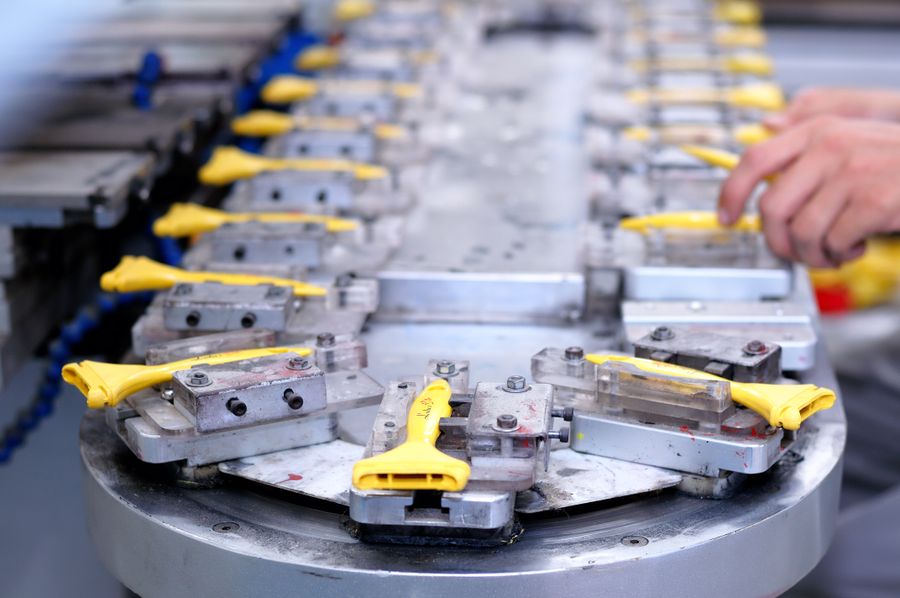

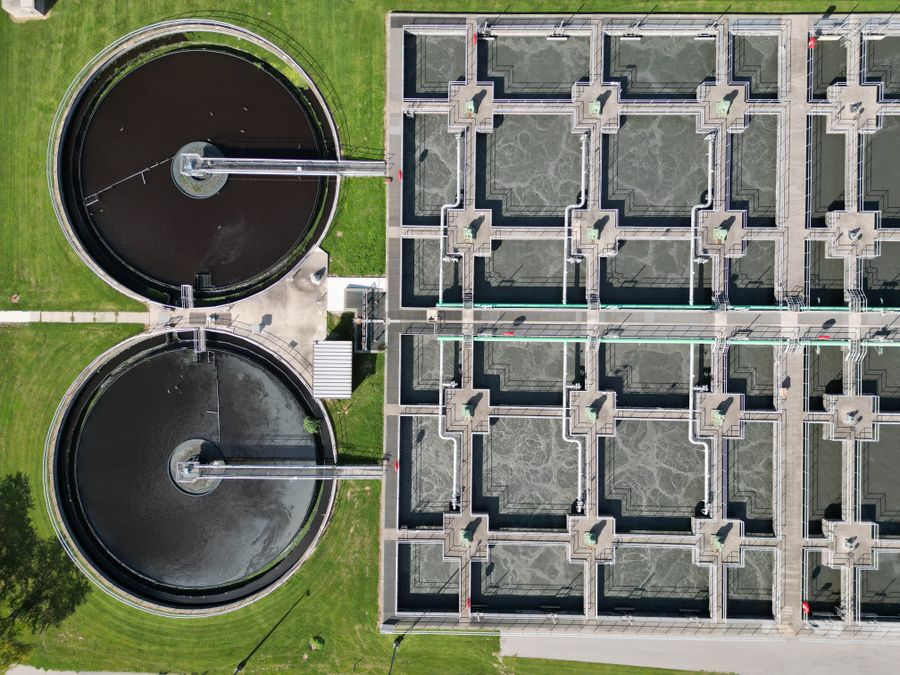
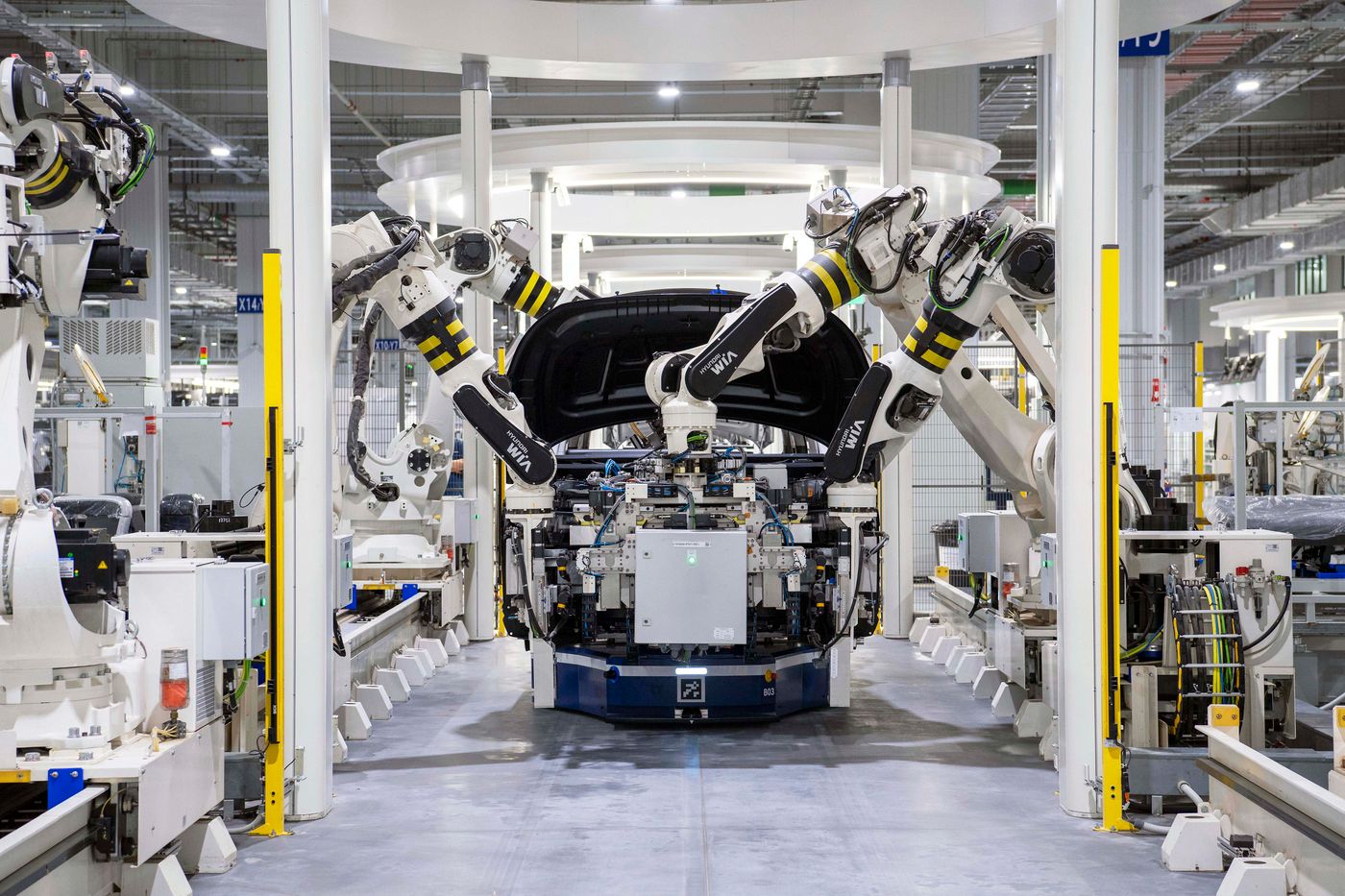
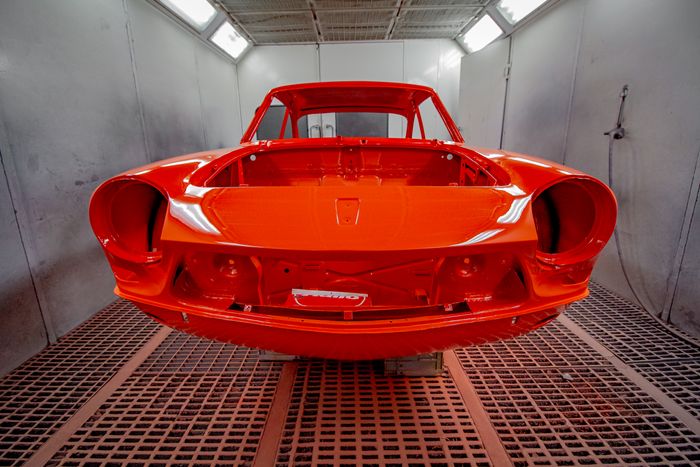
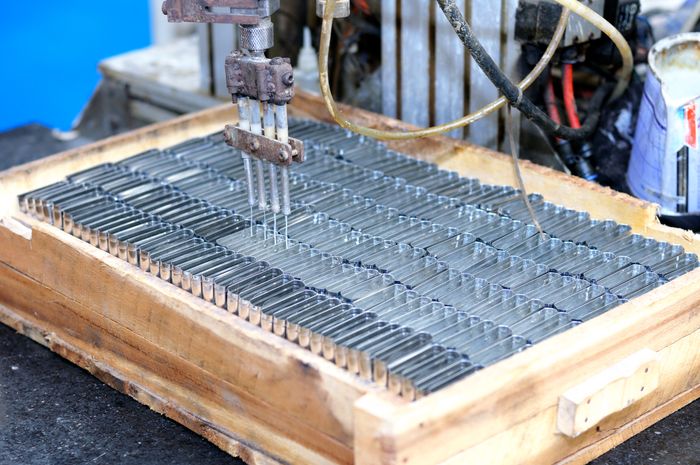
Wastewater in automotive assembly and supplier facilities can originate primarily from the following operations:
The key distinction is between recoverable caustic-containing process streams and other wastewater that can be treated and converted into reusable process water.
Recovery of Caustic Washing Water
Separately collected caustic process water is treated in a dedicated line using patented caustic recovery technology.
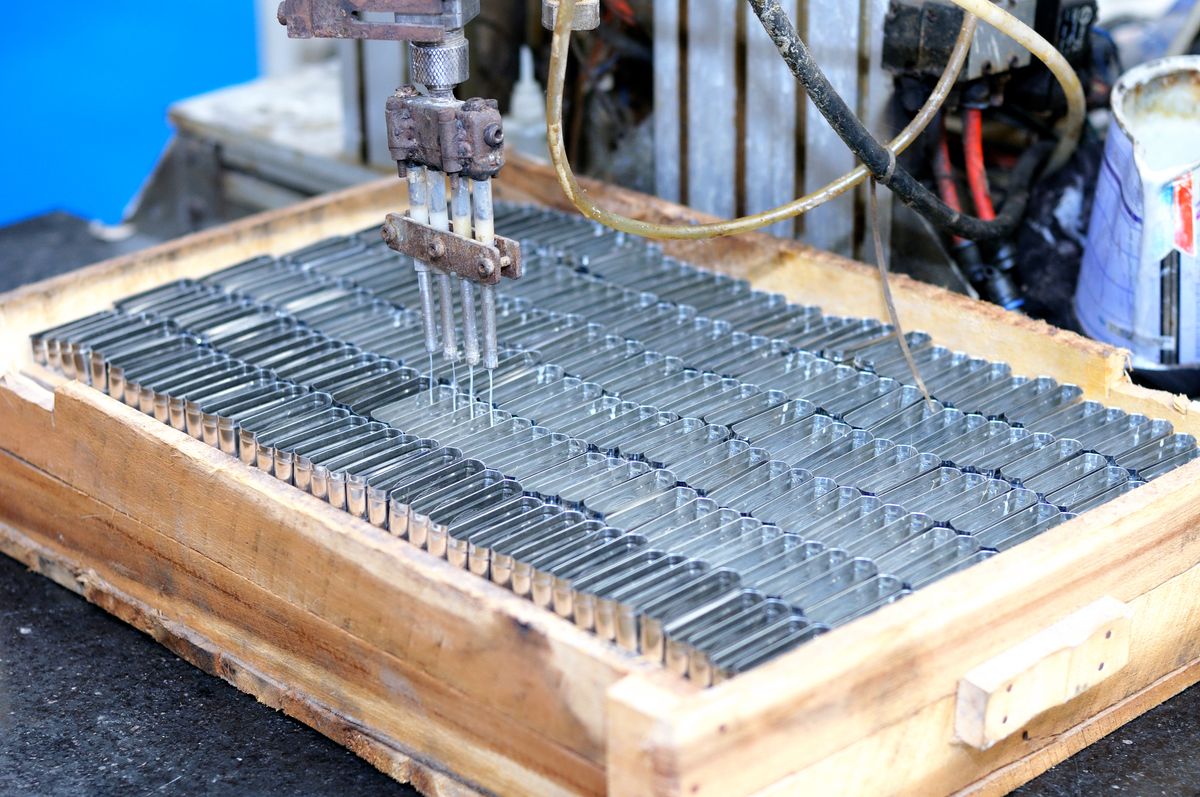
A process that returns caustic solution to production
Alkaline degreasing baths used to prepare automotive components for surface treatment and painting may contain caustic soda, surfactants, oils, metal particles and suspended solids.
If these streams are mixed with other process wastewater, their caustic value is lost during neutralization, increasing acid consumption, salt formation, treatment sludge and operating costs.
With VERITAS ENVIRONMENT's patented technology, caustic process water is treated in a separate line. Recovery potential is determined by free caustic content, oil and metal loads, cleaning chemicals and bath conditions.
Seven-stage process flow
Operational benefits under suitable process conditions
Integrated Treatment of Other Process Wastewater
A centralized engineering approach for managing wastewater from multiple production lines.
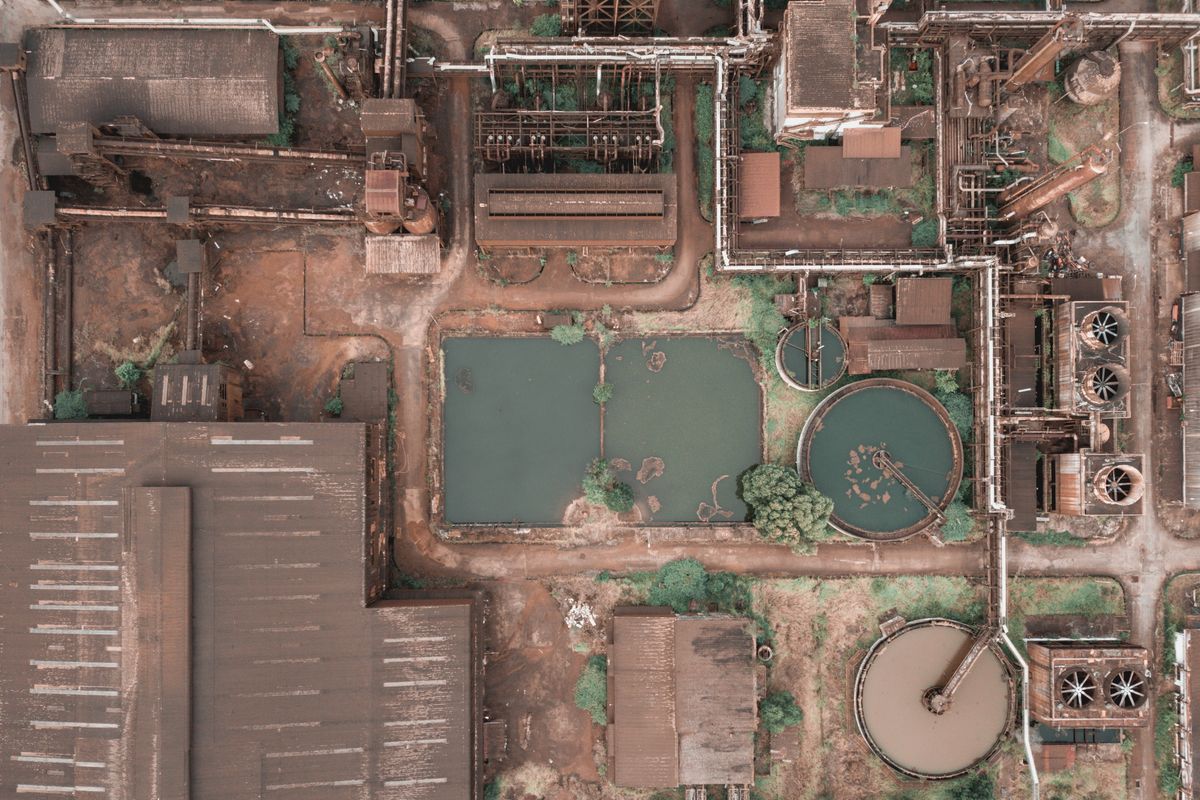
Centralized treatment and controlled membrane feed
Process wastewater outside the caustic recovery line is directed to an integrated wastewater treatment system based on characterization results.
These streams may contain varying pH, oil, emulsions, phosphates, dissolved metals, paint, resins, chemical oxygen demand (COD), suspended solids and high conductivity.
The integrated system aims to convert wastewater from different production operations into stable, controlled feed water for membrane treatment.
Streams treated in the integrated line
Ten-stage integrated treatment approach
Integrating Electrocoating Wastewater into Treatment
Controlled treatment integration that preserves the recirculation loop of the electrocoating line.
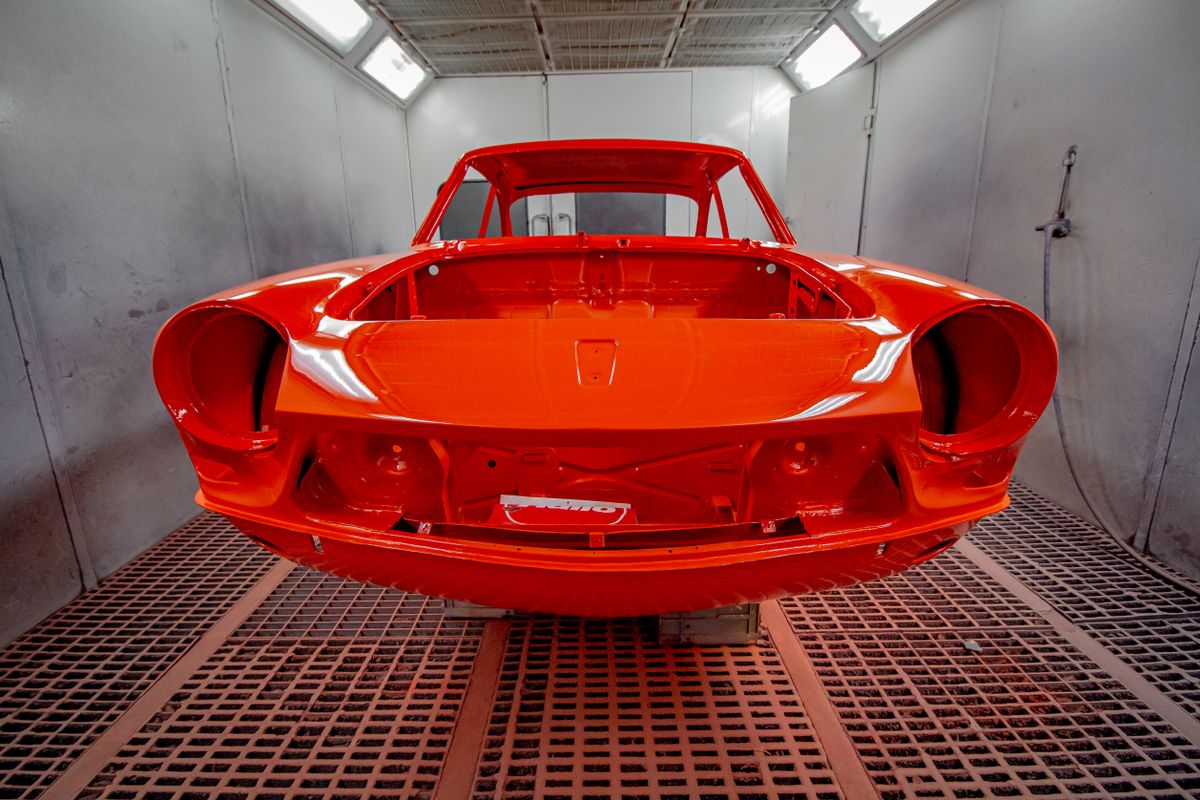
Electrocoating, also known as e-coat or cataphoresis, is an important surface coating process that protects automotive parts against corrosion.
Rinsing, cleaning and discharge streams from electrocoating may contain paint solids, resins, pigments, organic compounds and ionic loads. Their properties are assessed before controlled transfer to the integrated treatment system.
The existing recirculation loop within the electrocoating UF system is preserved. Rinsing, cleaning and discharge water that cannot be reused within the process is routed to centralized treatment.
During treatment
Following the required final filtration and membrane treatment, treated water may be reused in surface treatment or appropriate rinsing operations.
Process Water Recovery with Membrane Systems
Filtration and membrane processes designed to achieve the target reuse quality.
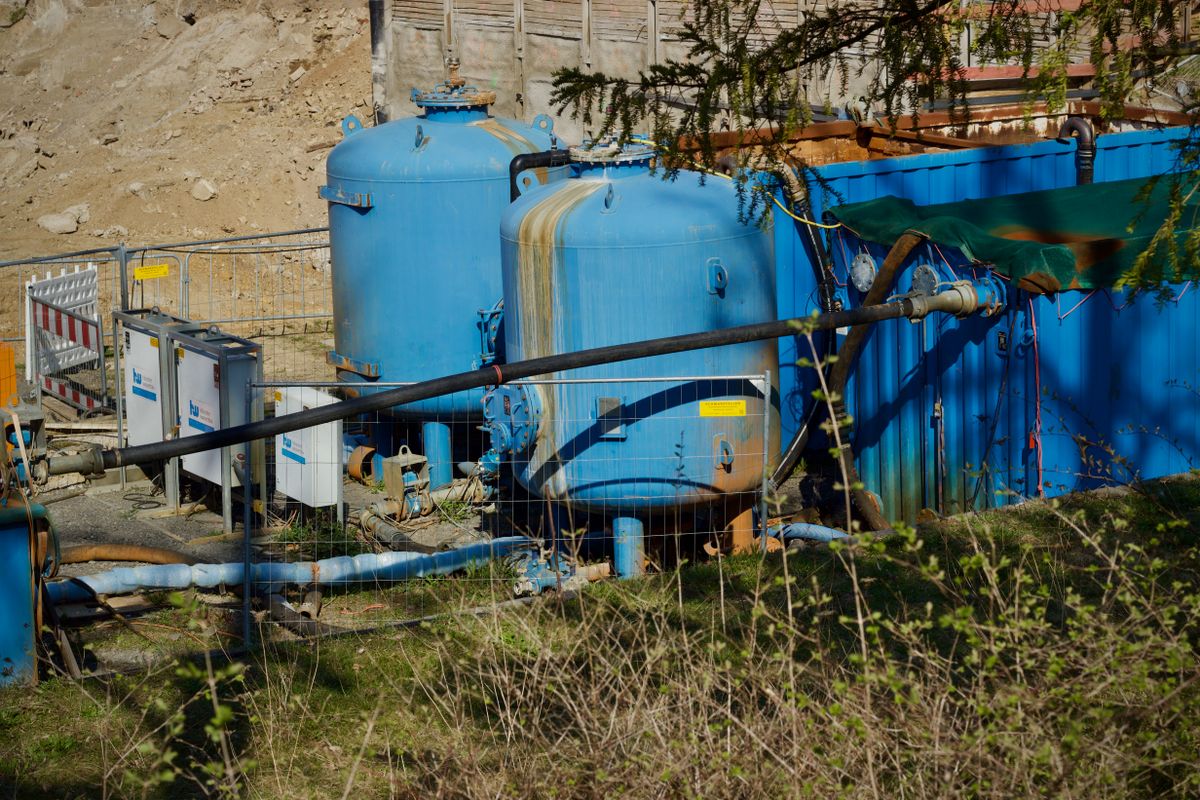
Water leaving physicochemical and any required advanced treatment processes can be directed to UF and RO systems according to the target reuse quality.
Before membrane recovery, controlling oil, emulsions, metals, phosphates, paint, resins, suspended solids and organic loads is essential for membrane performance and service life.
Request a Process Water Assessment ↗Seven-stage membrane recovery approach
Applications for recovered water
The final reuse point is determined by conductivity, pH, metals, hardness, COD and surface quality requirements.
Two Main Lines for Integrated Treatment and Recovery
Organizing all wastewater management around two principal recovery routes.
This approach brings the facility's wastewater management together under two main treatment and recovery lines.
Why Are Caustic Streams Managed Separately?
Controlled separation and return that preserves the resource value of caustic solution.
Neutralizing caustic washing water together with other process wastewater causes the loss of recoverable caustic that could otherwise be reused in production.
When wastewater is treated together
- Caustic is consumed during neutralization.
- Acid consumption increases.
- Large quantities of salts are formed.
- Metal hydroxide and chemical sludge volumes increase.
- Loads on treatment and sludge-dewatering equipment rise.
- Sludge transport and disposal costs increase.
- Potential for process water and heat recovery decreases.
Benefits of separation at source
Managing caustic streams separately returns valuable caustic solution to production. The remaining wastewater, with a reduced caustic load, enters the common treatment system for controlled and cost-effective treatment.
This reduces treatment costs while recovering economic value from caustic, water and energy used in production.
Site-Specific Technical and Economic Feasibility
Data supporting investment decisions, measurable costs and recovery targets.
The following data are assessed in technical and economic feasibility studies for automotive supplier facilities:
This assessment determines investment cost, annual caustic and water recovery, chemical savings, sludge reduction, energy recovery and investment payback period.
Modular and Turnkey Automotive Wastewater Treatment Systems
Design, manufacturing, integration, commissioning and performance verification.
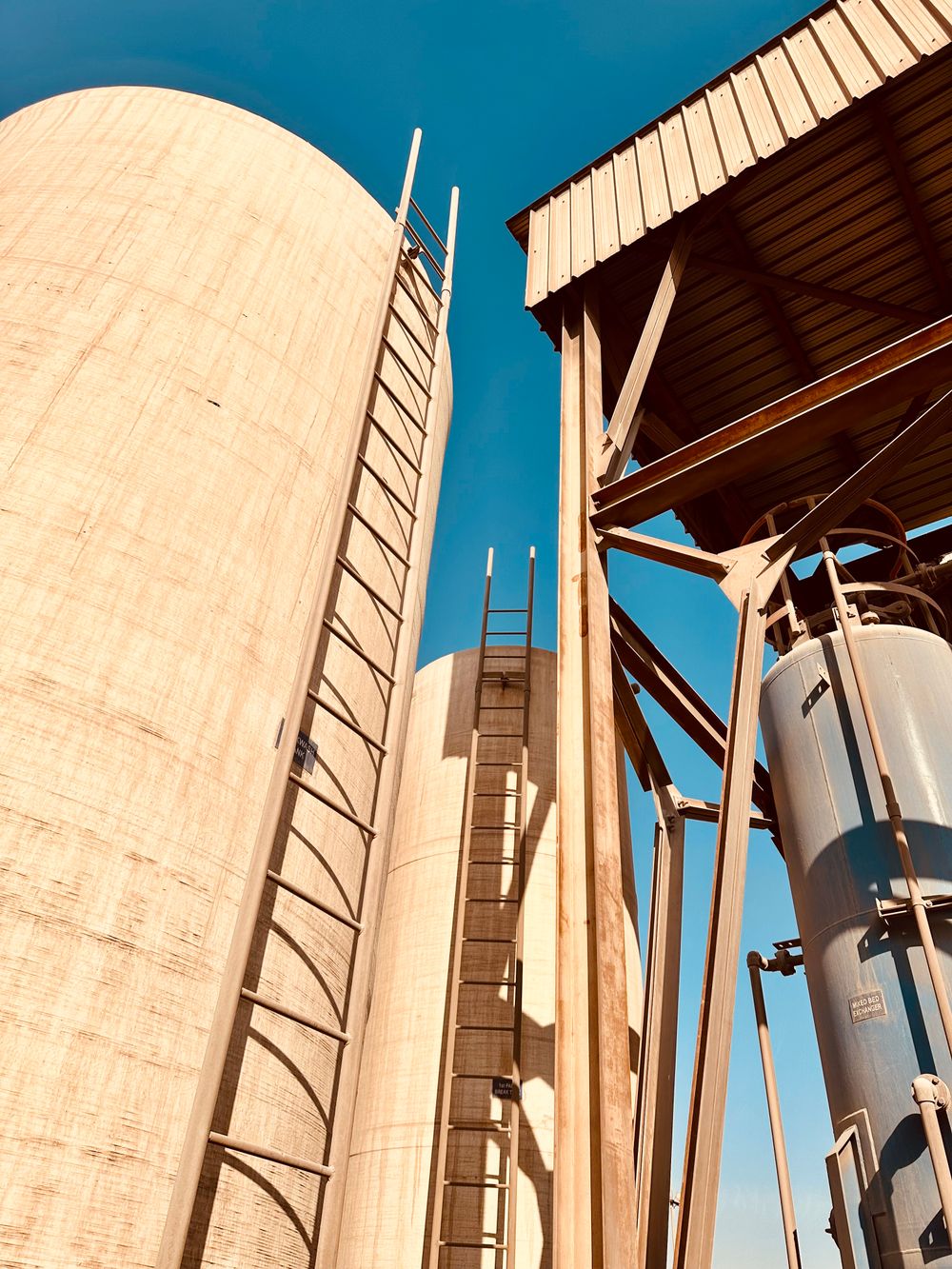
VERITAS ENVIRONMENT develops automotive supplier projects to match each facility's existing production and treatment infrastructure.
Depending on site conditions, systems can be designed as centralized or modular packaged units. Caustic and membrane water recovery systems can be installed as separate modules or jointly managed under a shared automation infrastructure.
Monitoring Processes and Resources with Cloud SCADA
A control infrastructure using traceable data to manage caustic, water and energy recovery.
Flow, pH, temperature, conductivity, water quality, chemical consumption and recovery performance in caustic recovery and wastewater treatment systems can be monitored through Cloud SCADA.
Recorded operating data enable the measurement and reporting of treated water, recovered caustic, retained energy and operational savings.
Measurable and reportable operating data
These data provide verifiable technical outputs for Green Transformation in Industry, sustainability reporting, water and carbon footprint calculations, incentive applications and green financing initiatives.
Key Benefits for Your Facility
Efficient production combining wastewater treatment with caustic, water and energy recovery.
Frequently Asked Questions About Automotive Industry Wastewater Treatment
Common questions and answers during technical decision-making.
Why are caustic streams collected separately in automotive plants?
Mixing caustic streams with other wastewater causes the loss of caustic value during neutralization. Separate collection allows contaminants to be removed so that caustic solution, process water and, where conditions permit, thermal energy can be recovered for production.
Can caustic soda be recovered from degreasing baths?
Alkaline degreasing and washing streams that retain free caustic are assessed for recovery. After removing oil, metals and suspended solids, the caustic solution may be reused in the production line.
Can electrocoating wastewater be treated with other process streams?
Electrocoating rinsing, cleaning and discharge streams can enter an integrated treatment system after considering their paint, resin and organic loads. Physicochemical and required advanced treatment prepare water suitable for membrane systems.
How is wastewater containing metals and phosphates treated?
Metal- and phosphate-containing streams are treated using controlled pH adjustment, chemical precipitation, coagulation–flocculation, solid–liquid separation and filtration. The resulting sludge is managed using a filter press or suitable dewatering system.
Can treated water be reused in production?
Water from the integrated treatment system can be brought to the required quality through final filtration, UF and RO. Recovered water may be used for surface-treatment rinsing, suitable points on the electrocoating line, equipment washing and auxiliary utilities.
Can the system be integrated with an existing treatment plant?
VERITAS ENVIRONMENT evaluates the existing treatment plant and production lines before integrating caustic recovery, process improvement and membrane water recovery systems with the current infrastructure.
What information is required for project planning?
A preliminary assessment considers production capacity, number of lines, caustic and water consumption, degreasing and surface-treatment chemistry, the electrocoating system, daily wastewater volume, laboratory analyses, chemical consumption, sludge volumes and target recovery quality.
