DAF Systems
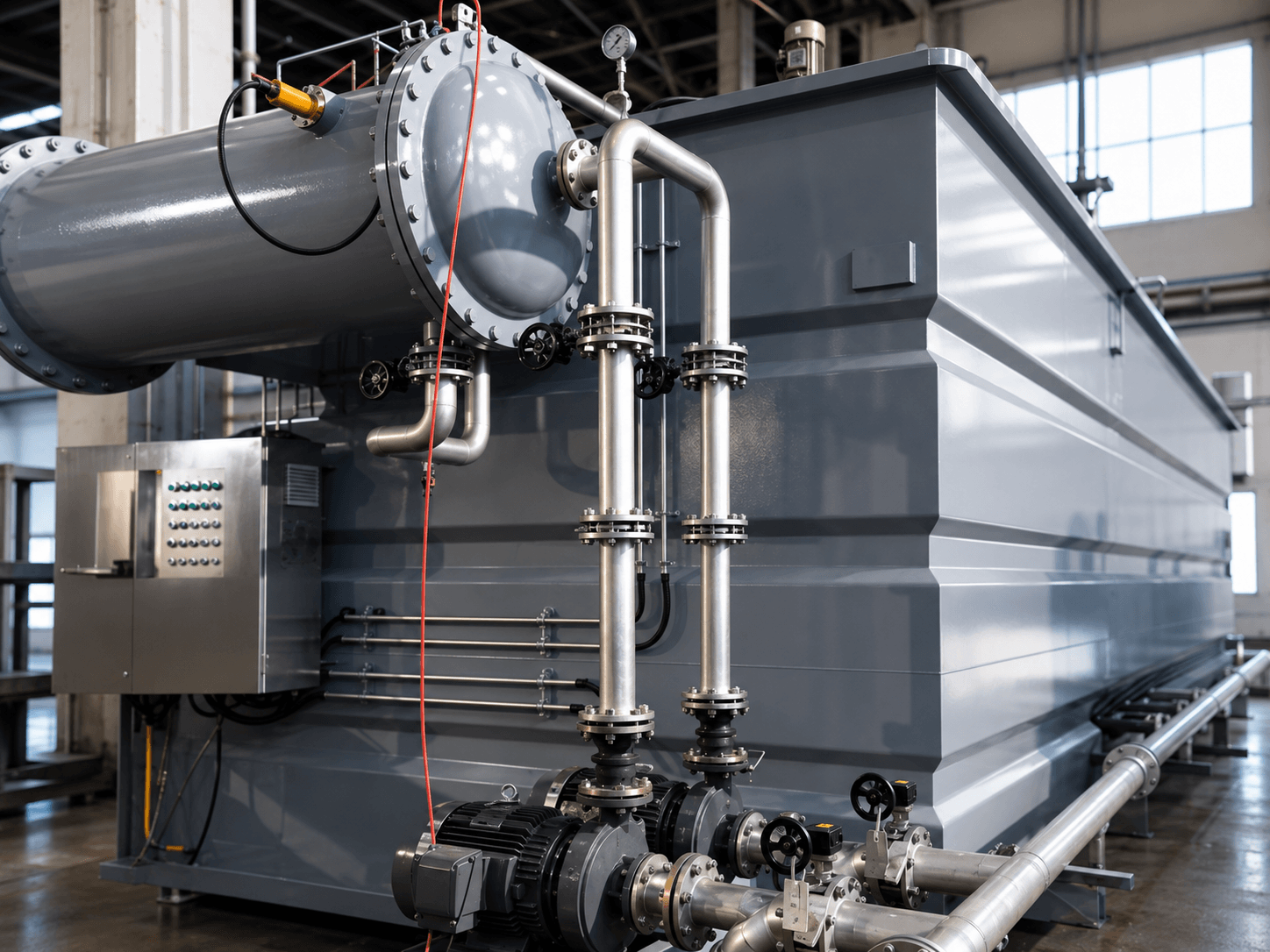
DAF systems are physicochemical treatment processes that effectively separate oil, grease, suspended solids, colloidal contaminants and floatable matter from industrial wastewater. Site-specific engineering supports treatment performance, process stability and operational efficiency.
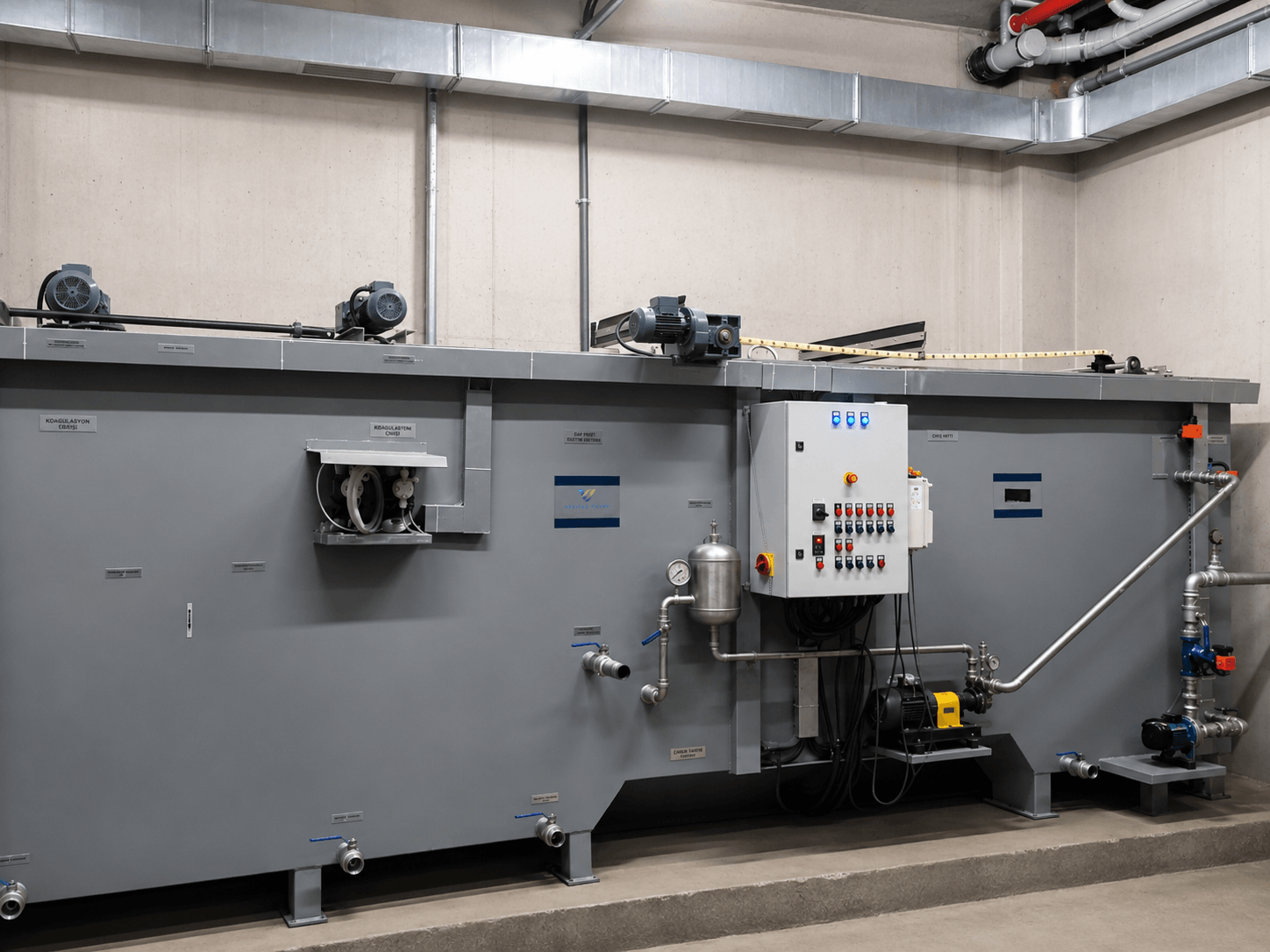
DAF Process Designed for Wastewater Characteristics
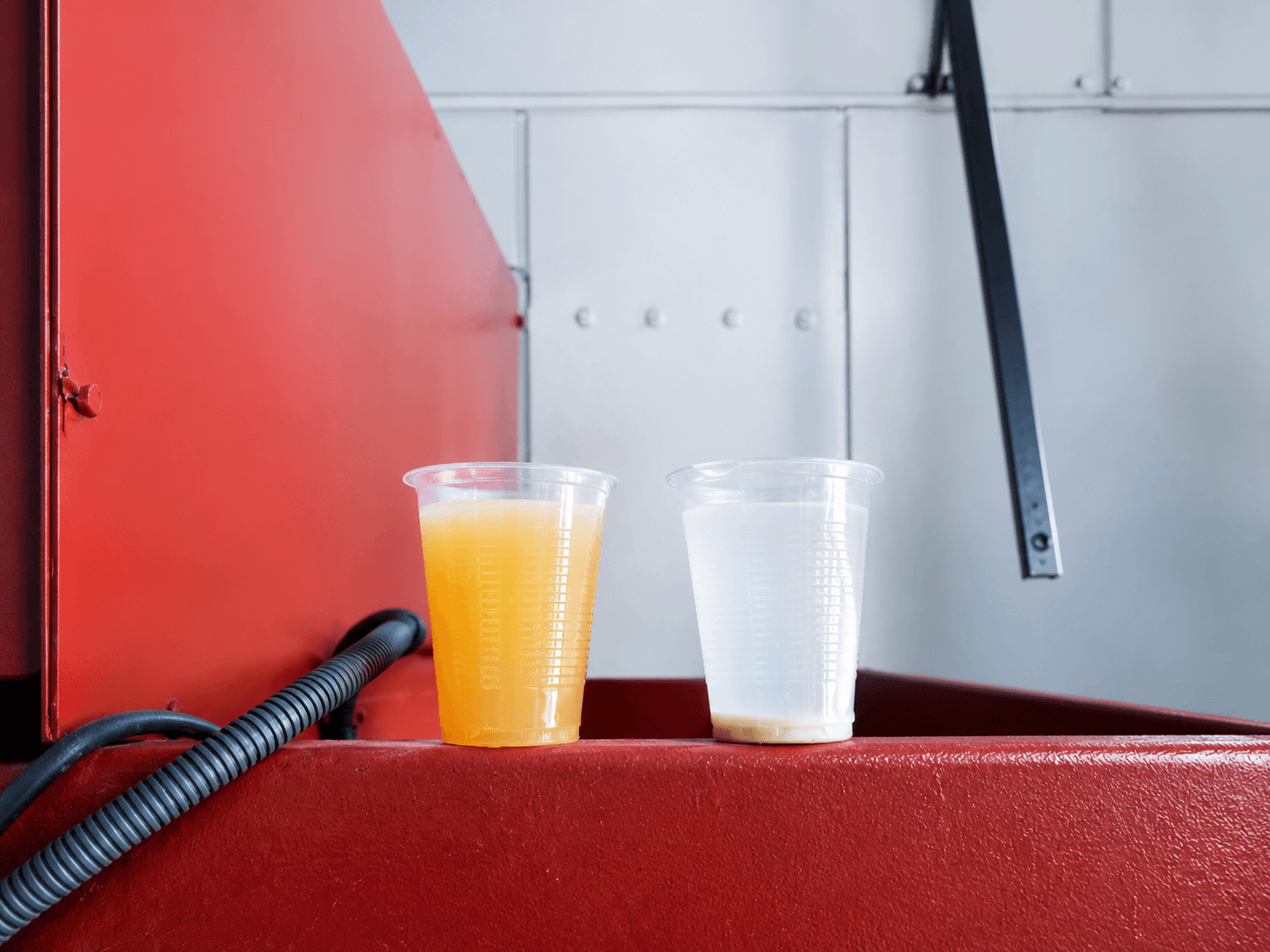
DAF systems (Dissolved Air Flotation) are effective physicochemical treatment processes used to remove oil, grease, suspended solids, colloidal contaminants and floatable matter from industrial wastewater.
With proper chemical conditioning, equipment selection and process design, DAF systems contribute to the stable operation of biological and advanced treatment processes.
Veritas Çevre designs DAF systems around each facility's wastewater characteristics, flow rate, pollutant load and existing treatment infrastructure. Oil and grease, TSS, COD, pH, conductivity, temperature and process-specific contaminants are assessed to determine the most suitable chemical conditioning and flotation strategy.
How Does a DAF System Work?
In the DAF process, wastewater is conditioned with suitable coagulants and flocculants. Air dissolved under pressure is then introduced into the system as microbubbles.
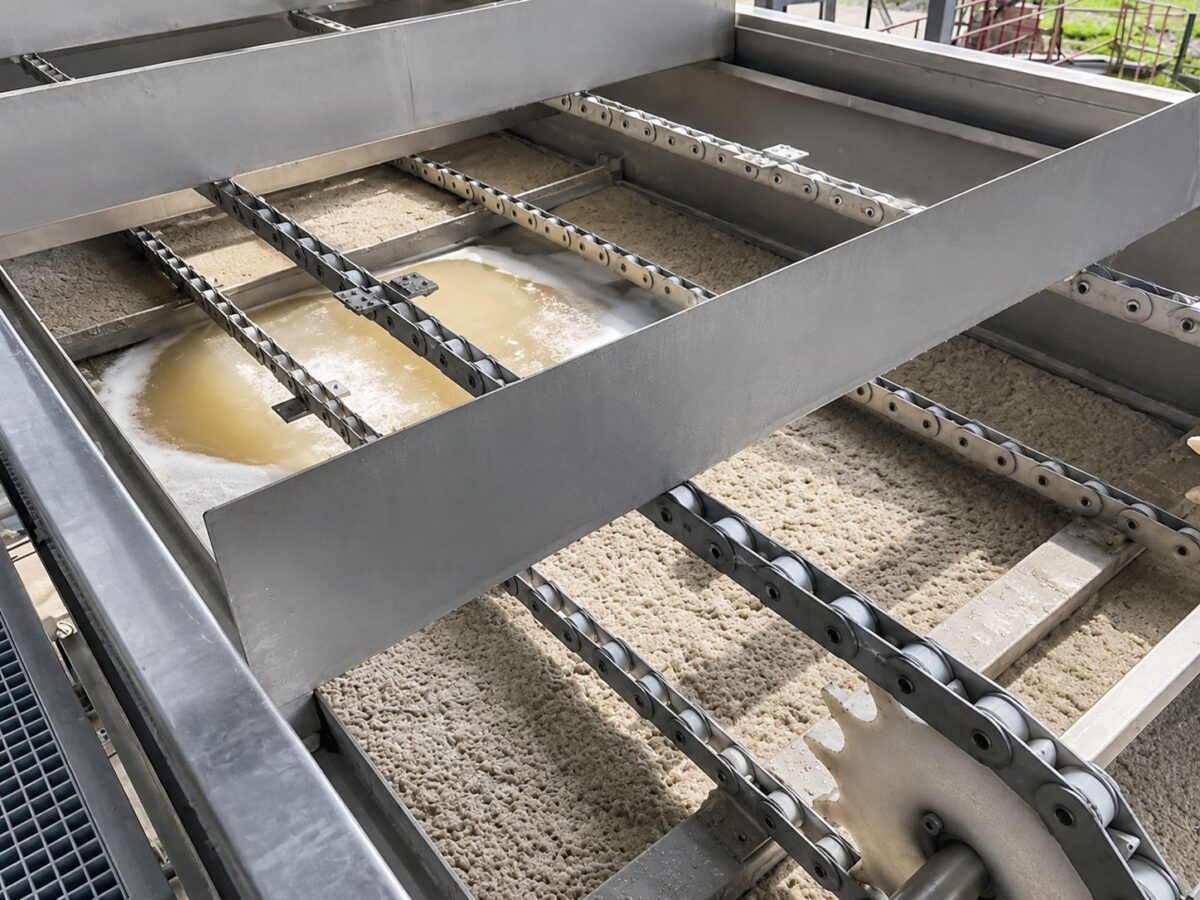
Microbubbles attach to oil, suspended solids and flocs, carrying contaminants to the surface. A skimming mechanism removes the floating sludge layer, while treated water moves to the next process stage.
This process improves load management before biological treatment, supports existing plant performance and enables more balanced operation of advanced treatment stages.
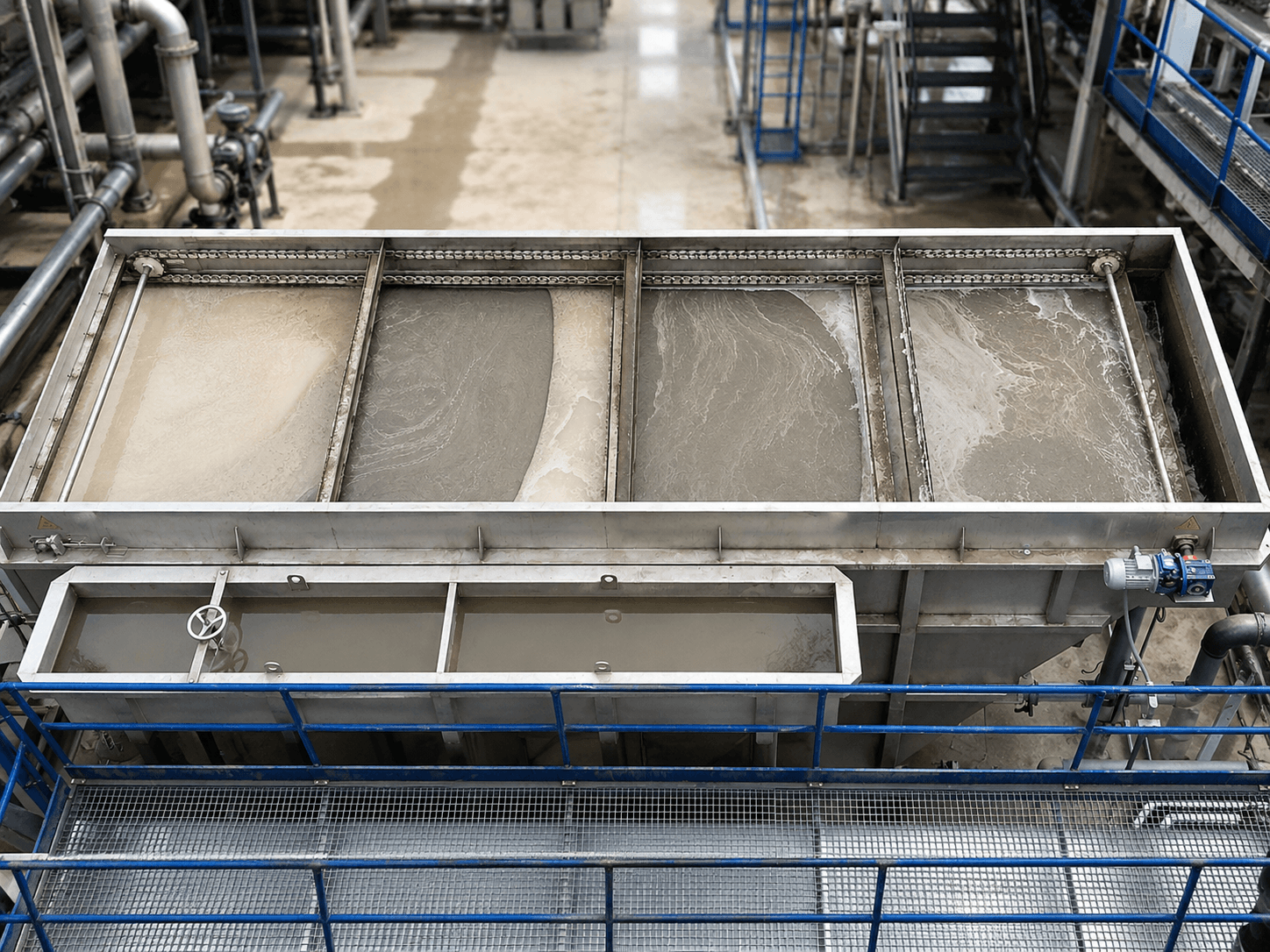
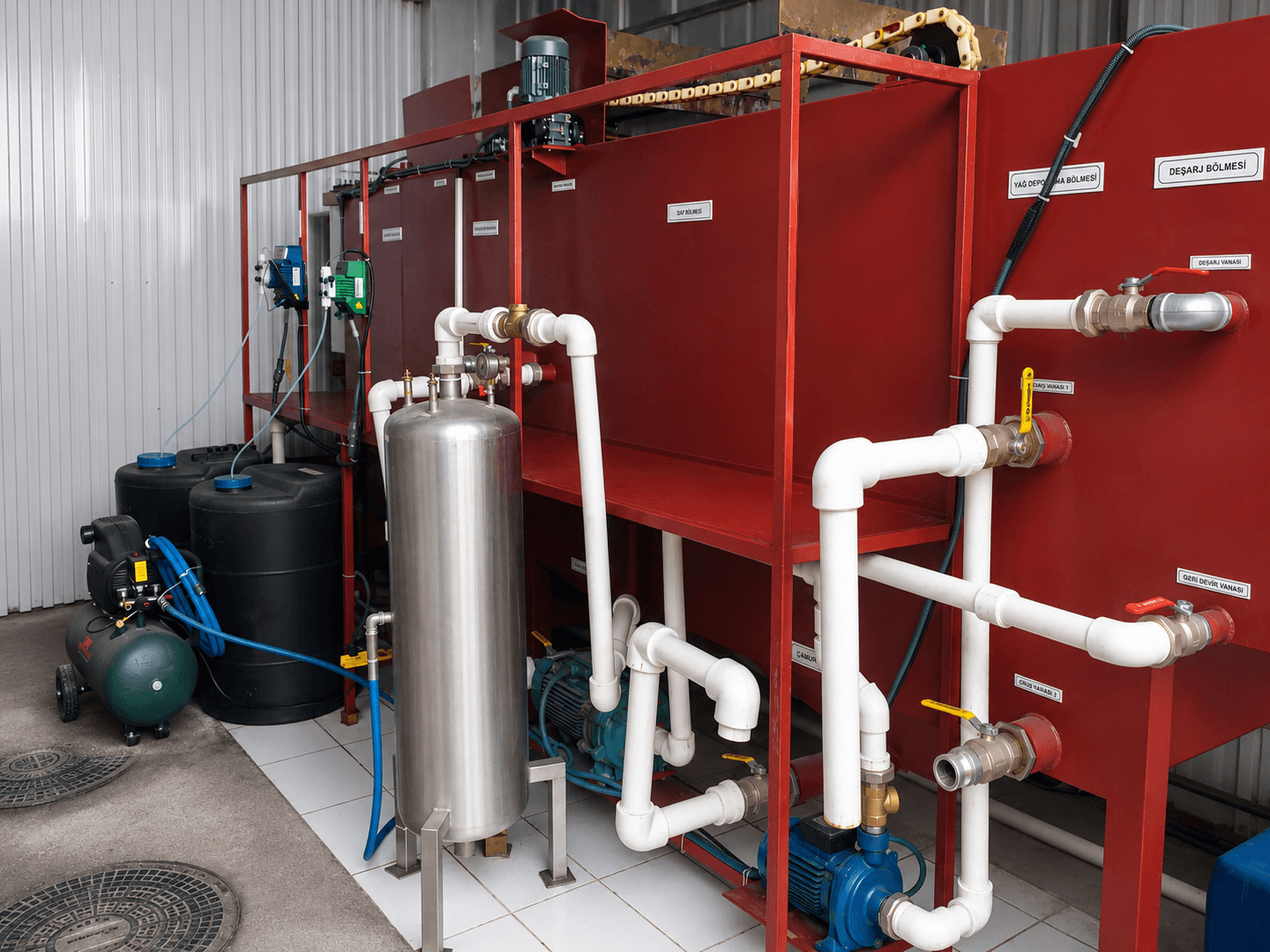
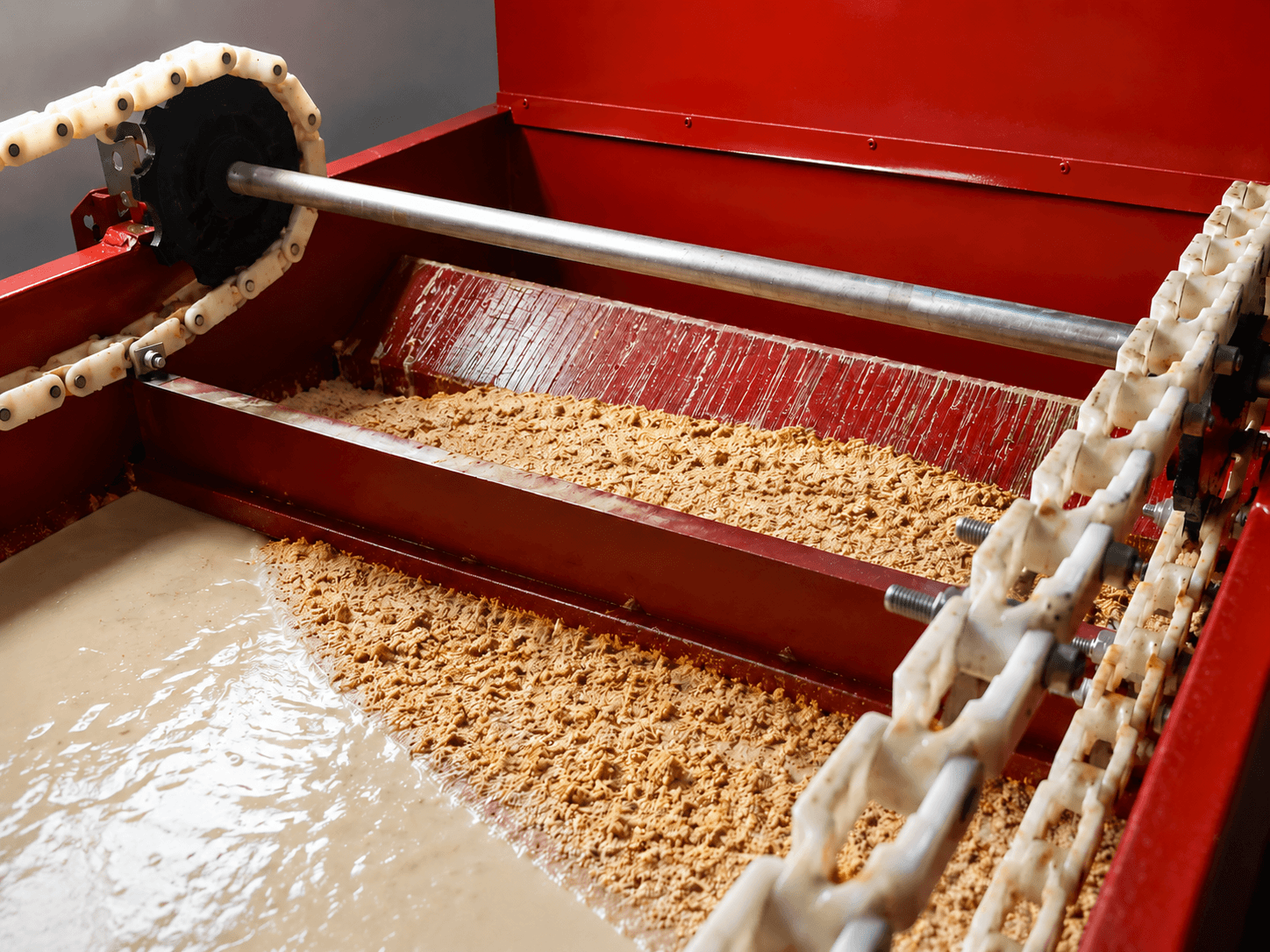
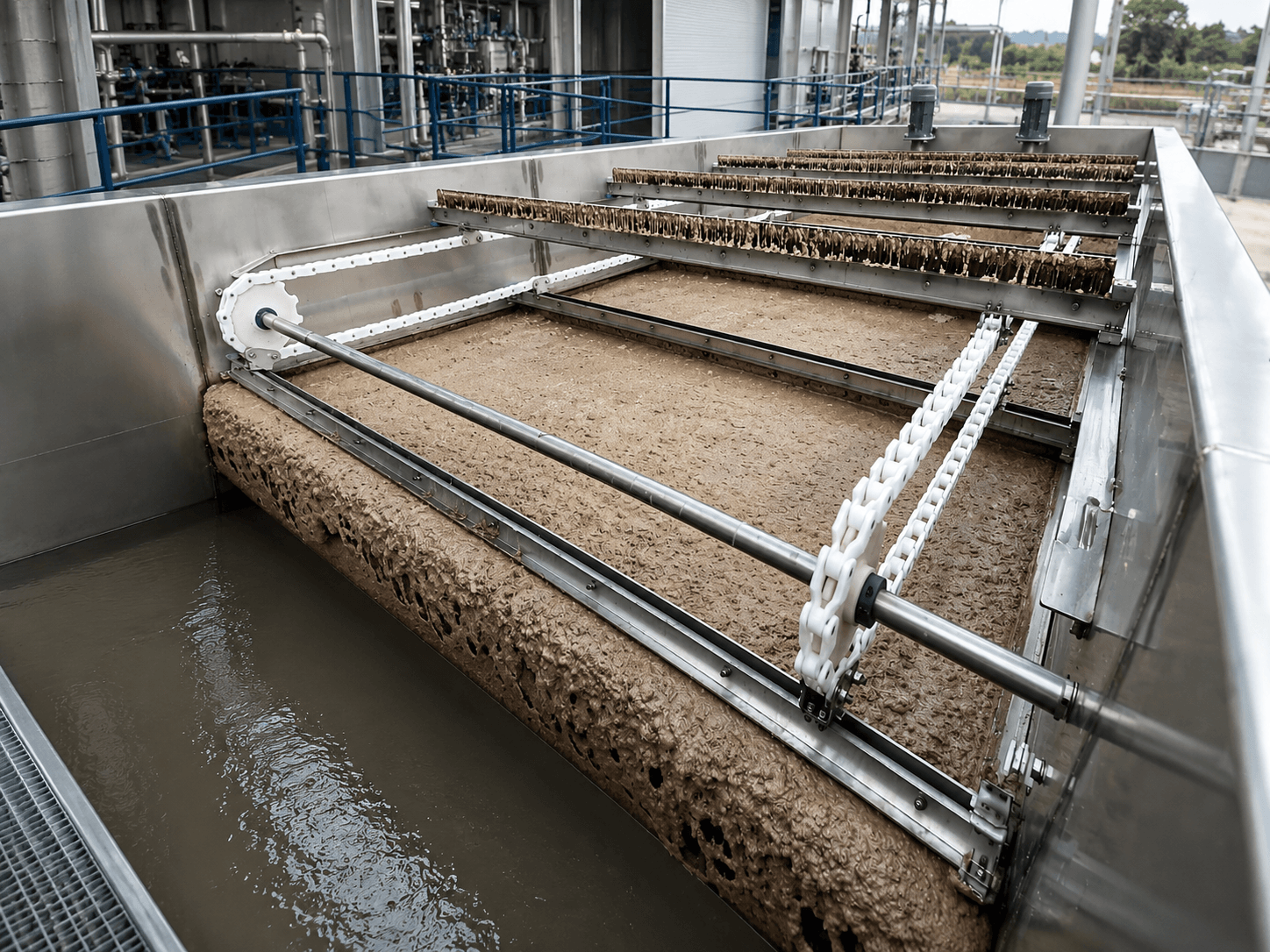
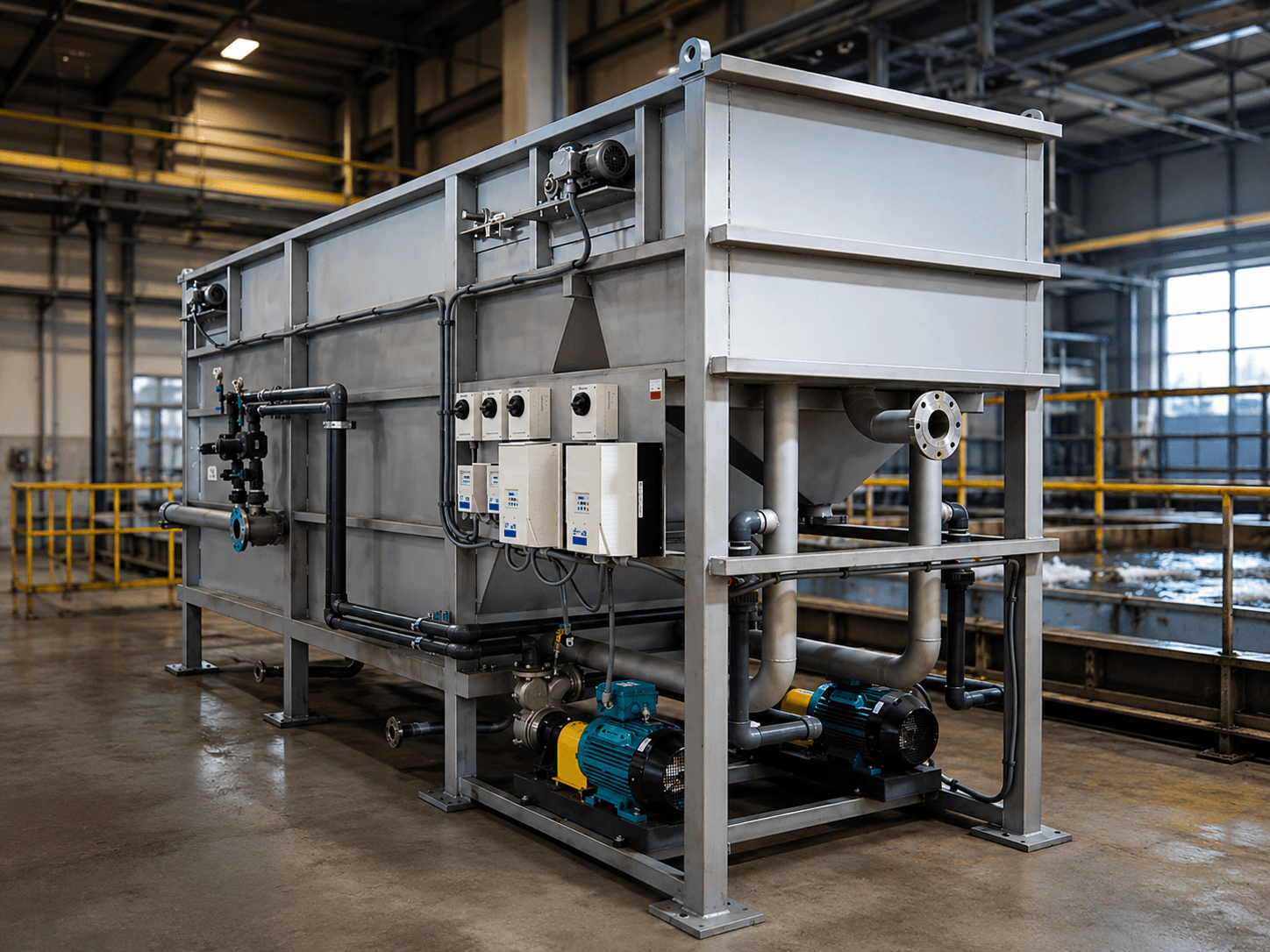
Adaptable to Diverse Industrial Processes
DAF systems can treat wastewater containing high levels of oil, grease, suspended solids and colloidal contaminants across various industries. Process design is tailored to each industry's operations and wastewater characteristics.
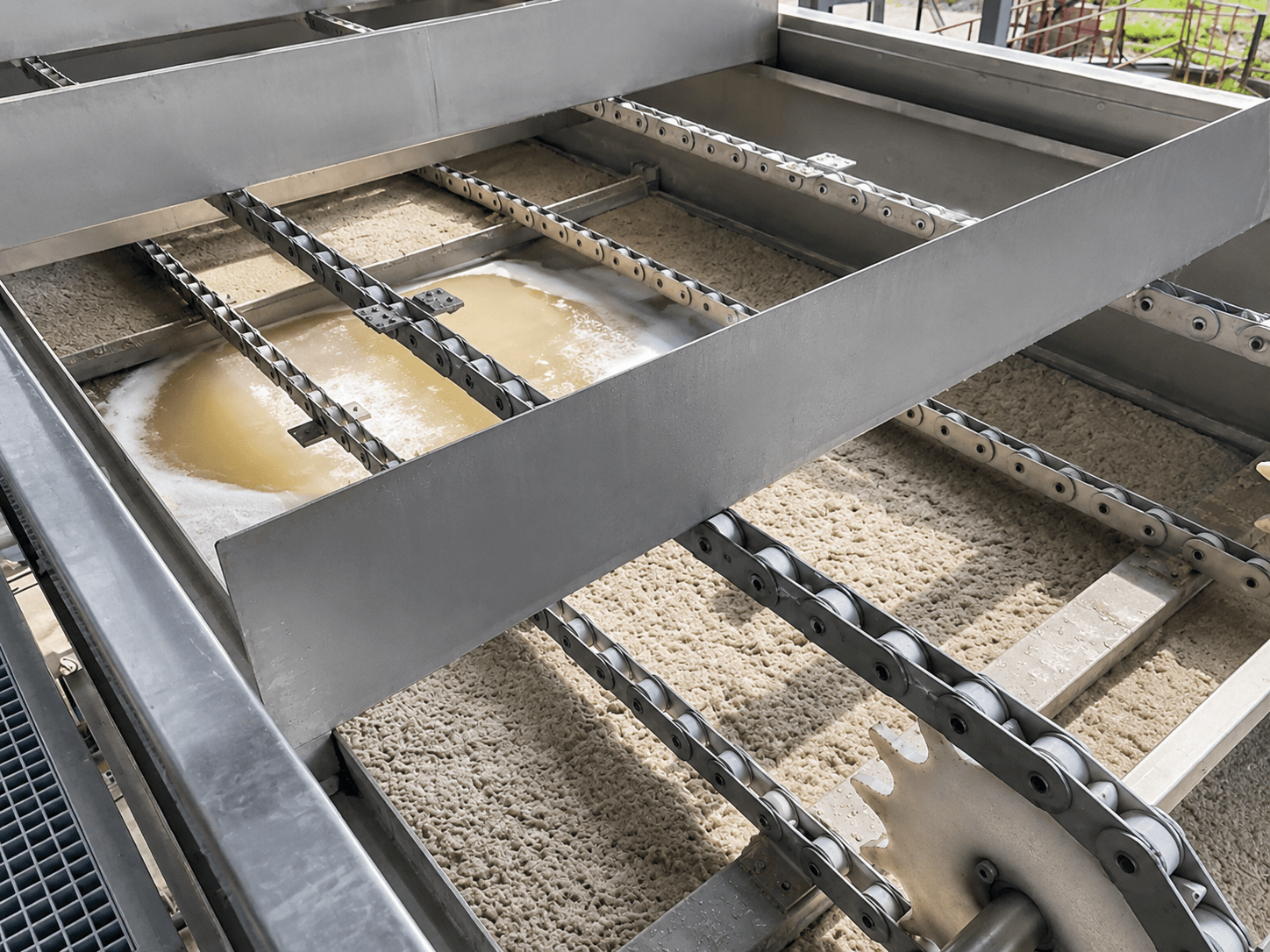
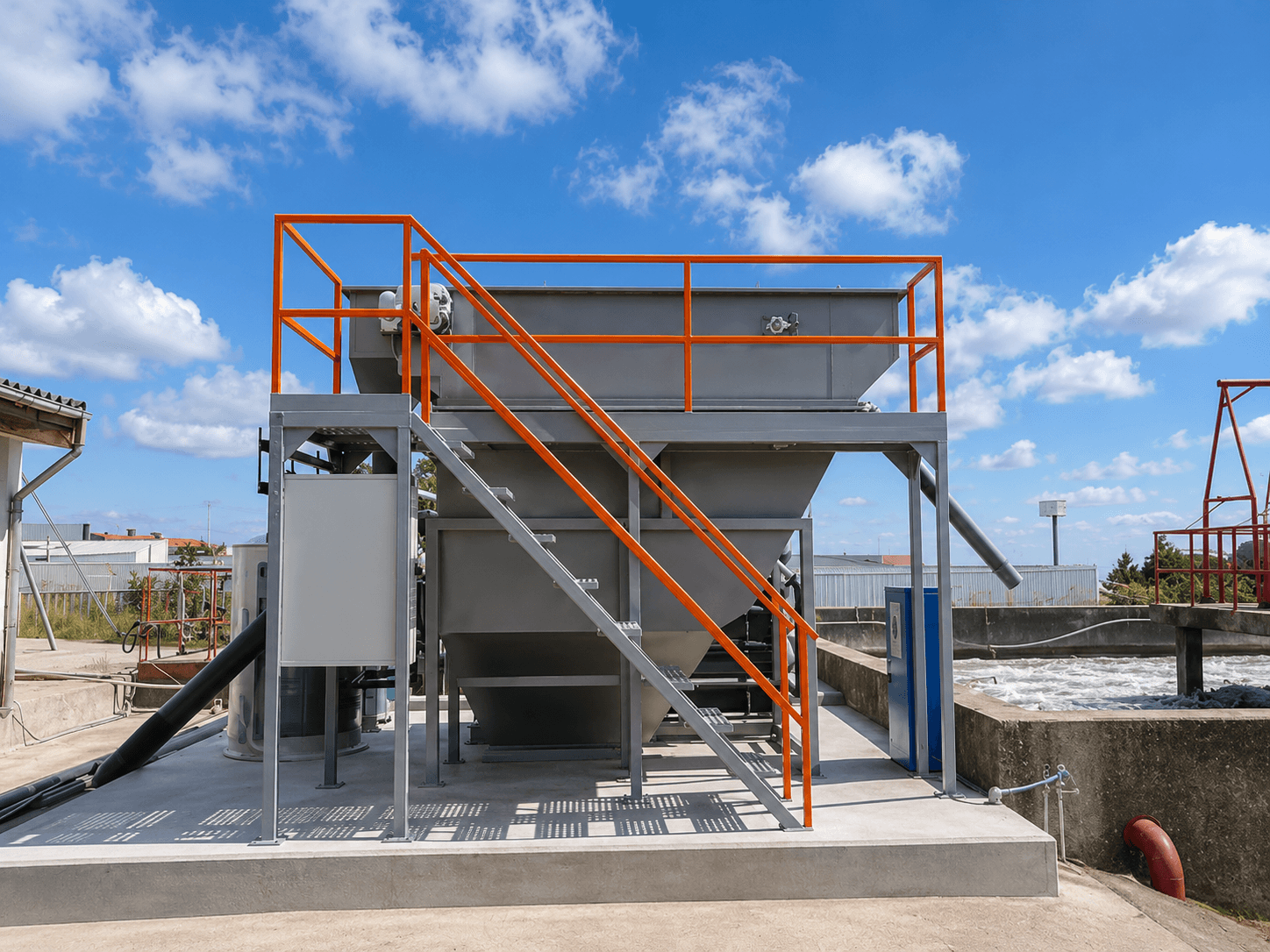
DAF Engineering Tailored to Wastewater Characteristics
Industrial wastewater varies with pollutant composition, production processes and operating conditions. Therefore, equipment selection for DAF systems is evaluated together with wastewater characterization and process data.
Using treatability tests and field data, Veritas Çevre assesses the wastewater's chemical behavior and designs systems according to coagulant and flocculant requirements, pH range, hydraulic loading, sludge generation and operating conditions.
This approach makes DAF an essential treatment component that supports overall plant performance and improves operating conditions for downstream process stages.
Engineering from Analysis to On-Site Installation
Veritas Çevre delivers DAF systems through an integrated approach covering laboratory studies, process assessment, engineering design, equipment selection, automation and on-site installation.
The goal is to effectively remove oil, grease, suspended solids and floatable contaminants, strengthen load management at existing treatment plants and make industrial wastewater treatment more stable, cost-effective and sustainable.
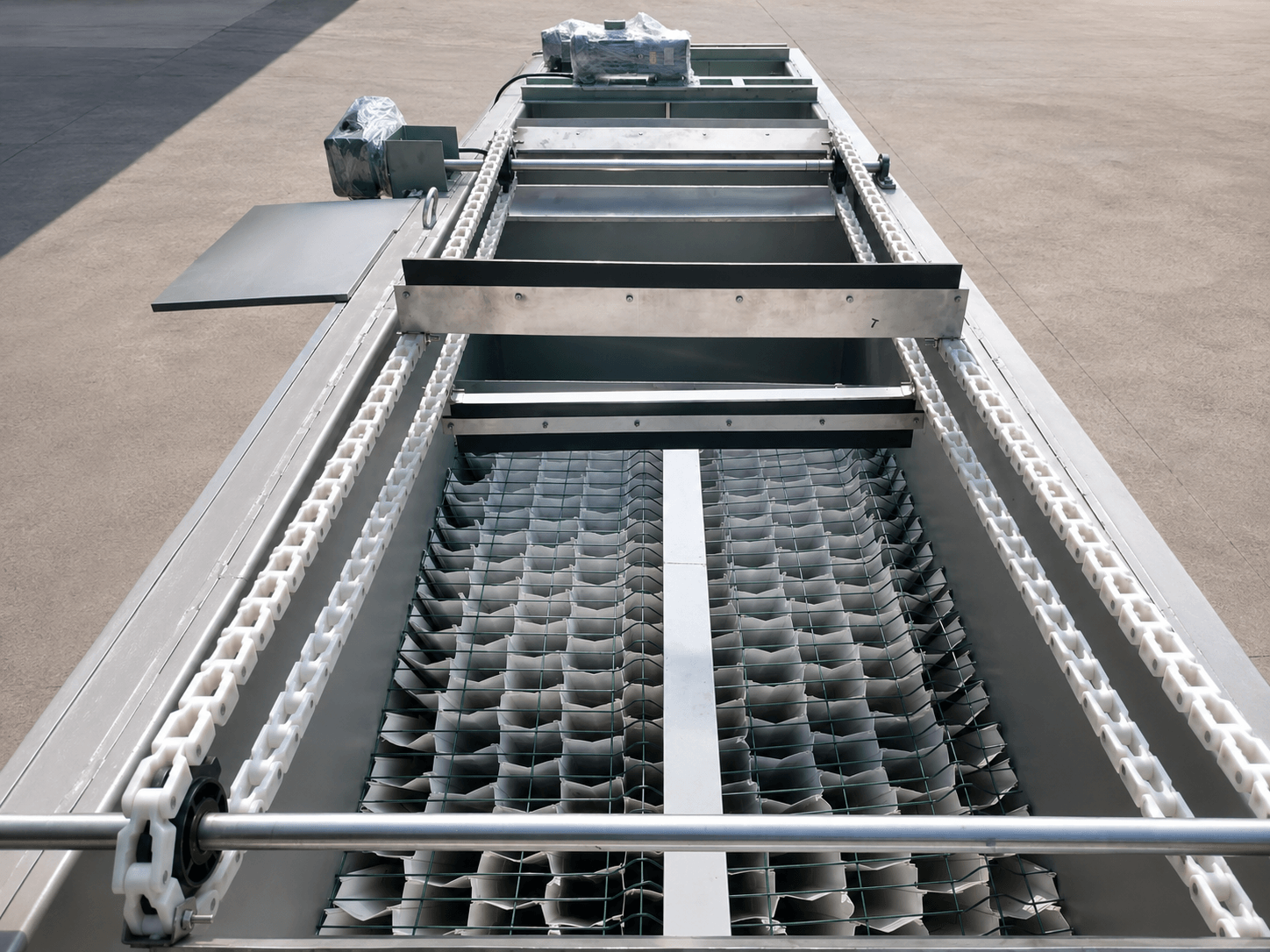
Benefits of Properly Designed DAF Systems
DAF systems reduce oil, grease and suspended solids in wastewater, supporting more balanced treatment plant operation. Organic and physical loads entering biological treatment are better managed, process stability improves and treatment performance becomes easier to monitor.